


Industrial Solar Solutions in Pakistan: Powering Modern Industries with Clean Energy
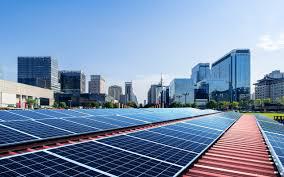
Industries across Pakistan face persistent challenges related to rising energy costs, unreliable grid power, and frequent outages. For manufacturers, factories, warehouses, and large industrial facilities, consistent power supply is vital to ensure uninterrupted production, protect equipment, and sustain profitability. Conventional energy sources, especially diesel generators and grid electricity, often fall short of these needs due to high operational costs and limited reliability.
To address these issues and deliver long‑term value, many businesses are now investing in Industrial solar solutions that are specifically designed to meet high‑capacity energy demands. These solar solutions harness abundant sunlight, reduce dependency on grid power, and deliver significant savings over the system’s lifespan, making them an ideal choice for large‑scale energy users across Pakistan.
What Are Industrial Solar Solutions?
Industrial solar solutions are renewable energy systems engineered to serve the energy requirements of large facilities with high daily power consumption. Unlike residential or small commercial solar systems, industrial installations are designed for high capacity, durability, and integration with existing power infrastructure to support production lines, internal operations, and continuous loads.
These systems can be tailored to a variety of industrial applications — from small factories to massive production plants — and often include advanced monitoring and power management technologies.
Why Industries in Pakistan Are Switching to Solar
1. High Energy Consumption
Industrial facilities often consume large amounts of electricity for machinery, HVAC systems, lighting, motors, compressors, and production equipment. Solar energy helps lower the cost per kilowatt hour by offsetting grid usage with free, clean power from the sun.
2. Power Outages and Load Shedding
Frequent power interruptions can disrupt production schedules, damage sensitive equipment, and increase operational stress. Solar systems with battery storage or hybrid integration offer reliable power continuity — even during grid failures.
3. Reduced Dependence on Fuel
Diesel generators are common backups, but they entail ongoing fuel costs, maintenance, and noise pollution. Solar delivers uninterrupted power during peak sunlight hours without fuel costs, noise, or emissions.
4. Environmental Responsibility
Switching to solar reduces carbon emissions and supports sustainability goals. Industrial solar adoption enhances corporate social responsibility (CSR) and improves reputation among eco‑conscious clients and partners.
Key Components of an Industrial Solar System
| Component | Function |
|---|---|
| Solar PV Panels | Convert sunlight into electricity |
| Inverters | Convert DC power to AC power for industrial equipment |
| Mounting Structures | Secure panels on rooftops, ground arrays, or canopy installations |
| Battery Storage (Optional) | Stores excess energy for night use or outages |
| Monitoring Systems | Tracks energy production and system performance |
| Electrical Protection Devices | Ensure system safety and compliance |
Each component must be chosen based on its capacity, durability, and suitability for industrial scale usage.
Types of Industrial Solar Installations
Rooftop Solar Systems
Large industrial rooftops often provide ample space for high‑capacity solar arrays. Rooftop installations maximize unused space and improve energy independence without requiring additional land.
Ground‑Mounted Solar Arrays
For facilities with available land, ground‑mounted solar installations allow flexible layout design, easier maintenance access, and potential scalability.
Hybrid Solar + Battery Systems
Hybrid systems combine solar generation with storage batteries to provide power during non‑sunlight hours. This is especially useful for operations that run around the clock or in areas with unstable grid supply.
Solar Canopies and Carports
Solar canopies over parking areas generate energy while providing shade for vehicles. This dual use of space is ideal for large facilities with extensive parking lots.
Financial Benefits of Solar for Industries
Significant Electricity Cost Savings
Solar energy reduces the amount of electricity purchased from the grid, delivering long‑term savings on monthly utility bills.
Faster Return on Investment
Although the initial setup cost may be sizable for industrial systems, energy savings rapidly compensate for this expense through reduced operating costs and potential incentives.
Increased Property Value
Industrial properties with solar installations gain higher asset value due to reduced operational costs and sustainable design features.
Incentive Programs and Tax Benefits
Depending on government policies, businesses may benefit from tax incentives, net metering credits, or accelerated depreciation programs — enhancing the financial appeal of solar investments.
Designing an Industrial Solar System
A well‑designed solar system begins with a thorough assessment:
Energy Load Analysis
Historical energy usage data from utility bills helps determine the solar capacity needed to meet daily demands.
Site Assessment
Engineers evaluate roof strength, shading, orientation, and land availability to design an optimal array layout.
Component Sizing
Panels, inverters, and batteries are sized to meet energy production goals and support peak load requirements.
System Integration
Industrial solar systems are integrated with existing electrical infrastructure, ensuring smooth power flow and safety compliance.
Performance Monitoring
Monitoring systems track energy output, detect potential issues, and optimize performance over time.
Challenges and How They Are Mitigated
High Initial Costs
Industrial systems require capital investment, but financing options, leasing arrangements, and performance contracts help make solar installations more accessible.
Space Requirements
Not all facilities have ample rooftop space. In such cases, ground‑mounted or hybrid solutions are viable alternatives.
Technical Expertise
Large installations demand professional design and installation teams with expertise in industrial systems. This ensures safety, performance, and compliance with electrical standards.
Maintenance and Long‑Term Performance
Industrial solar systems are designed for durability and typically require minimal maintenance. Routine tasks include:
- Cleaning Solar Panels: Dust, dirt, and bird droppings can reduce solar efficiency.
- Electrical Inspections: Periodic checks of wiring, inverters, and mounting hardware.
- Performance Monitoring: Daily or monthly tracking ensures optimal system output.
With proper care, industrial solar systems can function efficiently for 20 years or more.
Industrial Solar and Sustainability
Industrial solar adoption contributes to:
- Reduced Carbon Footprint — Fewer greenhouse gas emissions.
- Cleaner Production Practices — Environmentally friendly operational model.
- Improved CSR Profile — Enhanced reputation among stakeholders.
- Support for National Targets — Contributes to Pakistan’s renewable energy goals.
Solar power helps position industries as responsible energy users and sustainability leaders.
Conclusion
Industrial solar solutions are a game‑changing investment for Pakistan’s industrial sector. By replacing or supplementing conventional energy sources with solar power, businesses can drastically reduce energy costs, enhance reliability, and boost sustainability — all while improving their bottom line.
From rooftop and ground‑mounted systems to hybrid solar with batteries, industrial solar options are flexible, scalable, and designed to meet the high energy needs of modern enterprises. Whether you operate a factory, warehouse, or manufacturing plant, industrial solar systems offer dependable power and long‑term value.
Explore trusted industrial solar solutions to power your industrial operations with affordable, clean, and sustainable energy.
FAQs
What size solar system do industries need?
Industrial energy requirements vary, but systems are typically designed based on historical usage, peak demand, and available space.
How long does industrial solar installation take?
Installation timelines can vary from a few weeks to several months, depending on system size and site conditions.
Are industrial solar systems low‑maintenance?
Yes. Industrial solar systems require minimal maintenance, mainly panel cleaning and periodic inspections.
Do solar installations continue working in cloudy weather?
Solar panels still produce power in cloudy conditions, though output may be slightly reduced.
Can industrial solar systems expand later?
Yes. Industrial systems are modular and can be expanded with additional panels or batteries as needed.
What financial benefits do industrial solar systems offer?
They reduce electricity costs, offer stable energy pricing, increase property value, and may benefit from government incentives.

 English
 Arabic
 French
 Spanish
 Portuguese
 Deutsch
 Turkish
 Dutch
Dutch
 Italiano
 Russian
 Portuguese (Brazil)
 Greek
Greek