


Water Activities for Kids: Why Outdoor Water Play Matters More Than Ever
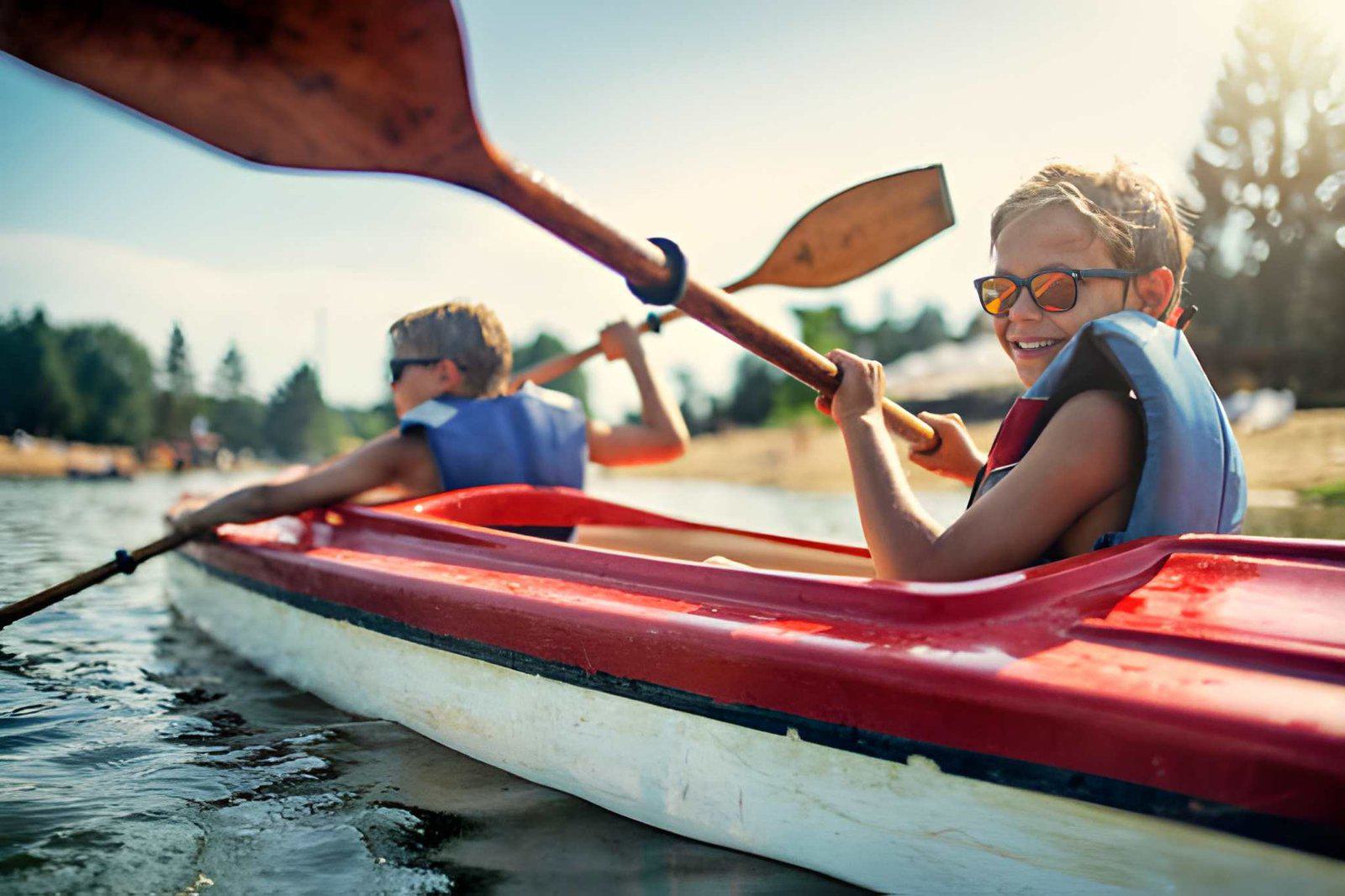
Modern childhood looks very different from what it did twenty years ago. Many children now spend more time indoors than outside, surrounded by tablets, smartphones, streaming platforms, and digital entertainment designed to hold their attention for hours. Parents are increasingly worried about screen dependency, reduced physical activity, and the loss of genuine outdoor experiences.
That concern explains why water activities for kids are becoming far more important than simple holiday entertainment.
Families are beginning to realize that water-based activities offer something many modern hobbies cannot: movement, confidence, social interaction, and emotional development happening naturally at the same time.
Organizations like Aqua Fishing Academy are part of this growing shift because they focus on outdoor experiences that combine fun with real-life learning. Whether it is beginner fishing, kayaking, paddleboarding, or water-based games, these activities help children engage with the real world instead of remaining glued to screens.
And honestly, that balance has become increasingly necessary.
Water Activities Do More Than Keep Kids Busy
One mistake many parents make is viewing water activities only as a way to “burn energy” during weekends or school holidays.
In reality, well-designed water activities support multiple areas of childhood development:
-
Physical fitness
-
Coordination
-
Emotional confidence
-
Social interaction
-
Problem-solving
-
Focus and patience
Children rarely think about these benefits while playing in water, which is exactly why the activities work so well.
A child learning how to balance on a paddleboard is improving coordination and concentration without feeling pressured. A kid participating in a fishing activity is learning patience and observation naturally through the experience itself.
That type of learning often becomes more effective than heavily structured lessons.
Swimming Remains the Most Important Water Skill
Among all water activities, swimming still stands above the rest.
And frankly, every child should learn it.
Swimming is not only recreation. In many environments, especially coastal cities or communities with pools and beaches, it becomes a basic life skill connected directly to safety.
But beyond safety, swimming offers remarkable developmental advantages:
-
Full-body exercise
-
Improved lung capacity
-
Better flexibility
-
Increased endurance
-
Stronger confidence around water
Swimming also teaches children emotional control. Kids quickly learn that panic does not help in water — calmness does.
That lesson often carries beyond the pool into other parts of life.
Fishing Activities Are Becoming More Popular for Children
Fishing is quietly becoming one of the most interesting water activities for kids.
At first glance, many parents assume fishing is too slow or technical for children. In reality, kids often become fascinated by it surprisingly quickly.
Why?
Because fishing combines unpredictability with discovery.
Children enjoy:
-
Watching marine life
-
Learning how bait works
-
Casting lines
-
Waiting for bites
-
Reeling in fish
More importantly, fishing teaches something modern entertainment rarely encourages: patience.
Most digital content rewards instant reactions and nonstop stimulation. Fishing works differently. Children learn to focus, observe, and wait.
Companies like Aqua Fishing Academy have recognized how valuable these experiences can be, especially for children growing up in highly digital lifestyles.
Fishing also encourages environmental awareness. Once children start understanding marine ecosystems, they often develop greater respect for nature itself.
Paddleboarding and Kayaking Build Confidence Fast
Not every child enjoys traditional team sports. Some children respond better to exploratory activities where they feel independent and adventurous.
Paddleboarding and kayaking work extremely well for this reason.
These activities encourage:
-
Balance
-
Body coordination
-
Focus
-
Core strength
-
Independence
Children also experience a strong sense of accomplishment quickly. Even basic paddling skills can make kids feel more confident because they are actively controlling movement on the water themselves.
Kayaking becomes especially valuable during family experiences because parents and children can paddle together. Teamwork develops naturally without feeling forced.
Water Activities Improve Mental Well-Being
One of the most overlooked benefits of water activities is their effect on mental health.
Children today experience more stress than many adults realize:
-
Academic pressure
-
Excessive screen exposure
-
Overstimulation
-
Reduced outdoor interaction
-
Social media influence
Water environments naturally help counter these pressures.
Marine and aquatic settings create calming sensory experiences through:
-
Water movement
-
Open spaces
-
Fresh air
-
Natural sounds
Psychologists often describe these environments as emotionally restorative.
Parents frequently notice improvements in children after regular outdoor water activity:
-
Better sleep
-
Improved mood
-
Reduced irritability
-
Increased focus
-
Better social behavior
These effects are not accidental. Physical movement combined with outdoor sensory engagement helps regulate emotional energy naturally.
Water Parks are Fun But Active Participation Matters More
Water parks remain popular for obvious reasons. Kids love slides, wave pools, and splash zones.
But there is an important distinction between passive entertainment and active participation.
Standing in long lines all day is not the same as engaging physically and mentally with water-based experiences.
The most valuable water activities usually involve:
-
Learning new skills
-
Solving challenges
-
Exploring environments
-
Participating directly
This is why many parents now combine water park visits with activities like:
-
Swimming lessons
-
Fishing experiences
-
Kayaking
-
Paddleboarding
-
Marine exploration tours
Children tend to remember experiences more deeply when they actively contribute rather than simply consume entertainment.
Why Outdoor Water Activities Reduce Screen Dependency
One reason outdoor recreation is becoming more important is the growing concern around excessive screen time.
Water activities naturally interrupt digital habits because children become fully engaged physically and mentally.
It is difficult to obsess over phones or tablets while:
-
Balancing on a paddleboard
-
Reeling in a fish
-
Swimming through obstacle games
-
Learning kayaking techniques
These activities demand presence.
And that presence is becoming increasingly valuable in modern childhood development.
Safety Should Always Come First
Of course, no discussion about children’s water activities is complete without addressing safety.
Responsible providers focus heavily on:
-
Certified supervision
-
Proper life jackets
-
Age-appropriate instruction
-
Weather monitoring
-
Small group sizes
-
Water safety education
Parents should also avoid pushing children too aggressively. Confidence around water develops differently for every child.
Some children adapt quickly.
Others need gradual exposure.
Both responses are completely normal.
The goal is not to force children into activities. The goal is to create positive and safe experiences around water.
Why Families are Prioritizing Experiences Over Toys
Another cultural shift influencing water activities is the growing preference for experiences over material rewards.
Parents increasingly realize children rarely remember:
-
Expensive gadgets
-
Trendy toys
-
Digital subscriptions
But they do remember:
-
Catching their first fish
-
Learning to paddle
-
Swimming independently
-
Family beach adventures
-
Water games with friends
Experiences create emotional memory.
And emotional memory shapes childhood far more deeply than material entertainment.
Final Thoughts
Water activities for kids are becoming more important because they offer something modern childhood increasingly lacks: real-world engagement.
They combine movement, learning, confidence-building, social interaction, and emotional development in ways screens simply cannot replicate.
Whether it is swimming, fishing, kayaking, or paddleboarding, these activities help children reconnect with nature, with family, and with themselves.
And perhaps that is why families continue returning to them. Not because they are trendy, but because they feel meaningful.

 English
 Arabic
 French
 Portuguese
 Deutsch
 Turkish
 Dutch
Dutch
 Italiano
 Russian
 Romaian
 Portuguese (Brazil)
 Greek
Greek