


What Families Should Know Before Starting Ventilator Care At Home
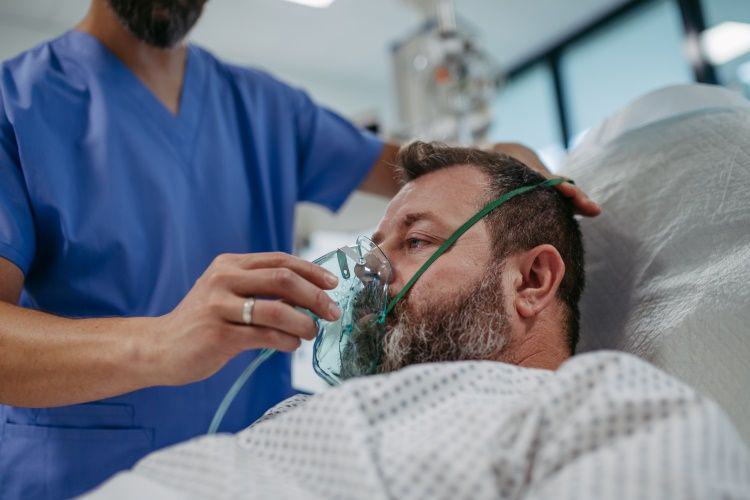
Caring for a loved one with respiratory difficulties can feel overwhelming, especially when long-term breathing support becomes necessary. Many families today are choosing Ventilator Care At Home In Dubai as a safer and more comfortable alternative to prolonged hospital stays. With the support of trained medical professionals and services like Doctor at Home, patients can receive personalized respiratory care in a familiar environment while maintaining a better quality of life. Before beginning home ventilator care, families should understand the responsibilities, benefits, and preparations involved to ensure a smooth and safe transition.
Understanding Home Ventilator Care:
Ventilator care at home involves the use of specialized medical equipment that helps patients breathe when they are unable to do so effectively on their own. A ventilator delivers oxygen and supports proper airflow through a mask or tracheostomy tube depending on the patient’s condition. Home-based ventilator support is commonly recommended for individuals with chronic respiratory diseases, neurological disorders, severe sleep apnea, or recovery needs after major surgeries. Understanding how this equipment functions is the first step toward building confidence in managing care at home.
Knowing Which Patients Need Ventilator Support:
Not every respiratory condition requires ventilator assistance, but certain chronic illnesses may make long-term breathing support necessary. Physicians evaluate the patient’s lung function, oxygen levels, and overall health before recommending home ventilation. Patients who may benefit from ventilator care include those with:
- Chronic obstructive pulmonary disease (COPD)
- Neuromuscular disorders
- Severe asthma complications
- Spinal cord injuries
- Amyotrophic lateral sclerosis (ALS)
- Post-surgical respiratory weakness
Recognizing the medical reasons behind ventilator use helps families better prepare for long-term care management.
Preparing the Home Environment:
Creating a safe and organized environment is essential before bringing ventilator equipment into the home. Families should ensure there is enough space for the ventilator, backup batteries, oxygen supplies, and other medical devices. The patient’s room should remain clean, ventilated, and easily accessible for caregivers and healthcare professionals. Reliable electricity and emergency backup systems are also critical to prevent interruptions in respiratory support. Proper home preparation reduces risks and promotes a more comfortable experience for the patient.
Learning How to Operate the Equipment:
Families and caregivers must receive proper training before managing ventilator care at home. Healthcare providers typically educate caregivers on how to use the ventilator, monitor oxygen levels, clean equipment, and respond to alarms or emergencies. This training helps family members feel more confident and capable of handling day-to-day respiratory support. Important skills often include:
- Understanding ventilator settings
- Recognizing warning alarms
- Performing equipment cleaning and maintenance
- Monitoring breathing patterns and oxygen saturation
- Responding to emergency situations quickly
Practical training is essential for ensuring patient safety and minimizing complications.
Importance of Professional Medical Support:
Home ventilator care should never be managed without ongoing medical supervision. Skilled healthcare professionals play a major role in monitoring patient progress, adjusting ventilator settings, and identifying potential complications early. Respiratory therapists, nurses, and physicians work together to provide continuous support tailored to the patient’s needs. Regular medical visits and consultations help ensure that treatment remains effective and that any changes in the patient’s condition are addressed immediately.
Emotional Adjustment for Families and Patients:
Starting ventilator care at home can be emotionally challenging for both patients and their loved ones. Families may initially feel anxious about handling medical equipment or managing emergencies. Patients may also struggle with emotional stress, lifestyle changes, or concerns about independence. Open communication, emotional support, and proper education can make this transition easier. Over time, many families adapt successfully and discover that home-based care offers greater comfort and emotional stability compared to extended hospital stays.
Benefits of Ventilator Care At Home:
Home ventilator support provides several advantages that contribute to better patient well-being and family convenience. Patients often experience improved comfort and emotional health when receiving treatment in familiar surroundings. Some major benefits include:
- Reduced hospital admissions and healthcare costs
- Greater patient independence and flexibility
- Lower risk of hospital-acquired infections
- More personalized and attentive care
- Increased family involvement in recovery and support
These benefits make home ventilation an increasingly preferred option for long-term respiratory care.
Understanding Safety and Emergency Planning:
Safety should always remain a top priority when managing respiratory care at home. Families must be prepared for emergencies such as power outages, equipment malfunction, or sudden breathing difficulties. Healthcare providers typically help create emergency response plans that include backup equipment, emergency contact numbers, and quick-response procedures. Important safety measures may include:
- Keeping backup batteries available
- Scheduling regular equipment inspections
- Monitoring oxygen levels consistently
- Maintaining emergency medical contacts
- Ensuring caregivers understand CPR basics if required
Preparedness helps families respond calmly and effectively during unexpected situations.
Importance of Hygiene and Infection Prevention:
Proper hygiene practices are essential for preventing respiratory infections and maintaining the effectiveness of ventilator equipment. Since ventilators involve direct airflow into the respiratory system, unclean equipment can increase the risk of serious infections. Families should follow medical instructions carefully regarding sanitization routines, hand hygiene, and replacement schedules for tubing and masks. Maintaining a clean care environment significantly improves patient safety and long-term respiratory health.
Building a Long-Term Care Routine:
Successful ventilator care often depends on establishing a structured daily routine that supports both the patient and caregivers. This routine may include medication schedules, equipment checks, nutritional planning, physical therapy exercises, and regular monitoring of respiratory health. A consistent routine helps reduce stress, improve treatment outcomes, and create a more stable caregiving environment. Families who develop organized care habits often find home ventilator management more manageable over time.
Final Thoughts:
Beginning home-based respiratory support is a major decision that requires preparation, education, and ongoing professional guidance. Families who understand the equipment, safety measures, emotional adjustments, and caregiving responsibilities are better equipped to provide effective support for their loved ones. With the growing availability of advanced healthcare solutions, Ventilator Care At Home In Dubai continues to offer patients a comfortable and reliable alternative to long hospital stays while improving overall quality of life for both patients and their families.

 English
 Arabic
 French
 Spanish
 Portuguese
 Deutsch
 Dutch
Dutch
 Italiano
 Russian
 Romaian
 Portuguese (Brazil)
 Greek
Greek