


Cognitive Computing Vendor Comparison: Evaluating Leading Platforms
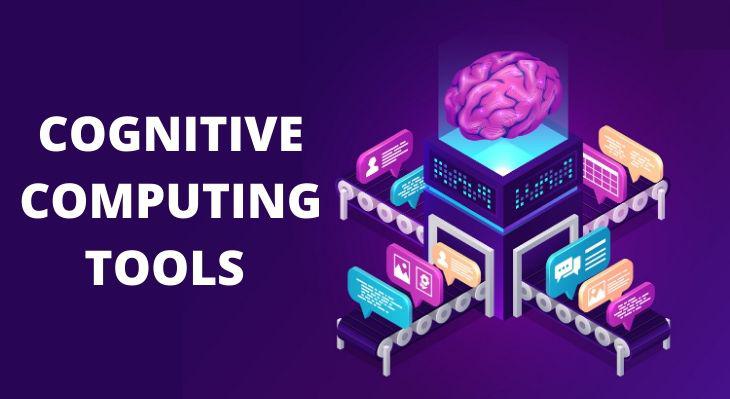
Cognitive computing has rapidly evolved into a foundational technology for enterprises seeking to harness artificial intelligence (AI), machine learning (ML), and natural language processing (NLP) to automate complex tasks, analyze unstructured data, and derive actionable insights. As adoption grows, organizations must carefully compare vendors to identify the platforms that best align with their strategic goals, technical requirements, and industry needs. The global market for cognitive computing solutions is expanding significantly, with major players investing in innovation, partnerships, and comprehensive service offerings to capture market share and support digital transformation initiatives.
IBM has long been regarded as a pioneer in cognitive computing with its Watson platform, which continues to evolve through the watsonx suite. Watsonx encompasses tools for training, deploying, and governing AI models, along with capabilities to manage structured and unstructured data at scale. This focus on enterprise-grade integration, robust data handling, and governance tools makes IBM a strong contender for organizations in regulated industries such as healthcare and finance. Microsoft’s Azure Cognitive Services and related AI offerings present a rich set of APIs and frameworks covering speech recognition, vision analysis, language understanding, and search functionalities. Their seamless integration with the broader Microsoft ecosystem—especially Azure cloud and productivity tools—provides a compelling choice for enterprises already invested in Microsoft technologies.
Google’s cognitive computing capabilities are deeply rooted in its advanced AI research and cloud services. Through tools such as Vertex AI—designed for building, deploying, and managing machine learning models—Google Cloud delivers strong performance in data analytics, predictive modeling, and scalable AI workflows. This makes it particularly attractive for data-driven organizations and developers seeking cutting-edge ML and AI tooling coupled with high-level infrastructure support. Amazon Web Services (AWS) offers a broad array of cognitive computing and AI services under its cloud platform. Services like Amazon SageMaker facilitate the creation, training, and deployment of ML models, while other AWS AI tools support NLP, conversational interfaces, and real-time analytics. The flexibility and scale of AWS make it suitable for startups as well as large enterprises needing extensive cloud-native cognitive capabilities.
Beyond these technology giants, several specialized vendors contribute unique strengths to the cognitive computing landscape. CognitiveScale, C3.ai, and DataRobot, for example, provide platforms centered on enterprise AI adoption and rapid model deployment, often with industry-focused solutions. Salesforce Einstein embeds cognitive intelligence directly into CRM workflows, enhancing customer engagement and automation. SAP and Oracle have integrated cognitive features within their enterprise software suites to improve business process automation and analytics across functions like supply chain, finance, and HR.
Vendor comparisons typically evaluate criteria such as breadth of AI services, scalability, ease of integration, deployment flexibility (cloud, hybrid, on-premises), industry-specific functionalities, and support ecosystems. While larger vendors like IBM, Microsoft, Google, and AWS lead in comprehensive solution portfolios and global support infrastructures, specialized platforms may offer faster implementation and tailored solutions for niche use cases. Additionally, considerations like data privacy, governance, and compliance can influence vendor choice depending on regulatory landscapes and organizational risk profiles.
The cognitive computing vendor landscape is diverse and dynamic. Organizations should assess their specific needs—such as AI maturity, data strategy, technical expertise, and business objectives—when comparing vendors. Leading cloud-native platforms offer robust, scalable capabilities suitable for general-purpose cognitive workloads, while niche players may deliver focused value in specialized domains. A judicious evaluation helps enterprises leverage cognitive computing to drive innovation, improve operational efficiency, and unlock new insights from complex data environments.

 English
 Arabic
 French
 Spanish
 Portuguese
 Deutsch
 Turkish
 Dutch
Dutch
 Italiano
 Russian
 Romaian
 Portuguese (Brazil)