


Simple Dog Training Methods for Well-Behaved Dogs
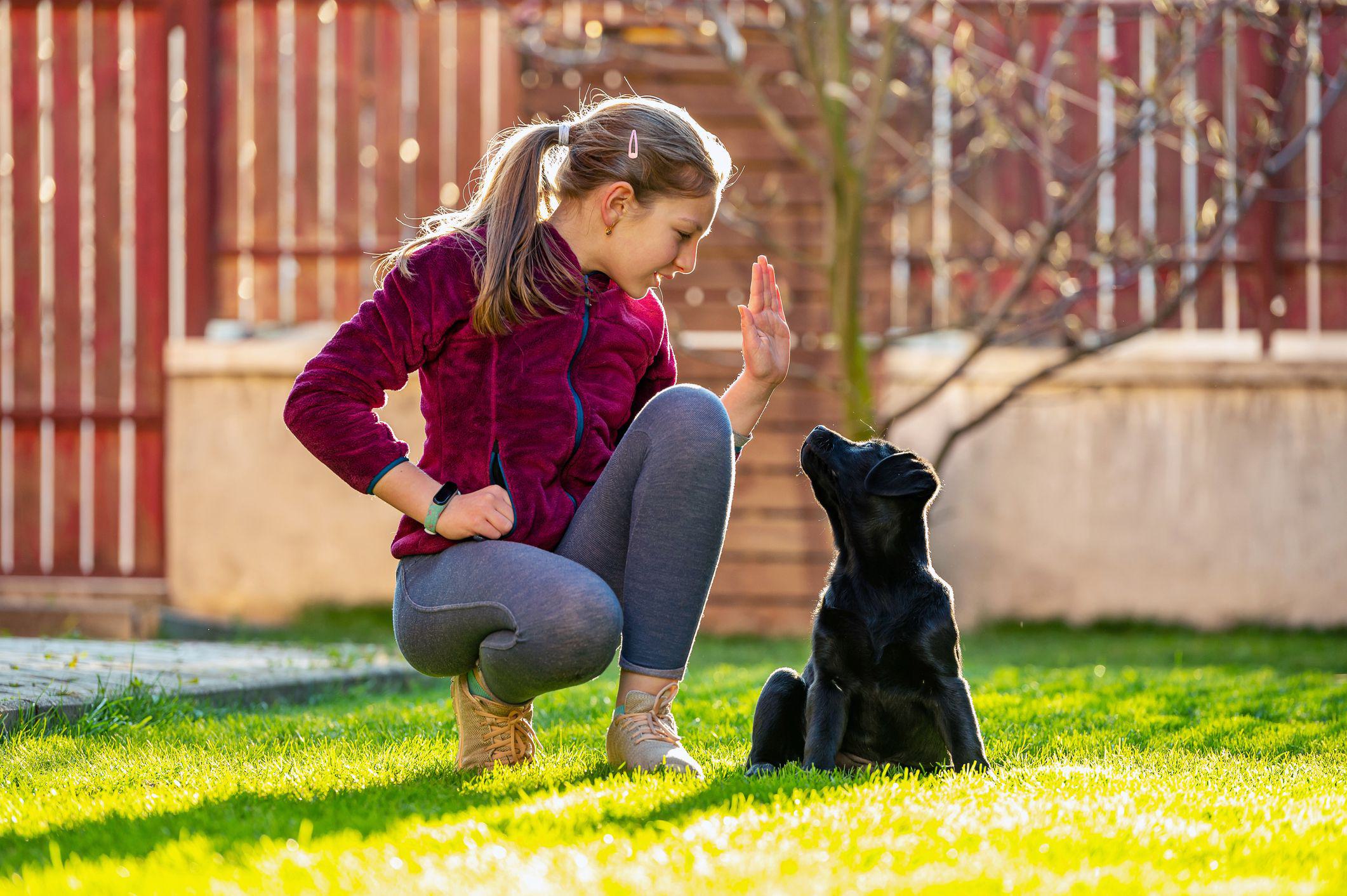
Training your dog does not have to be complicated. With the right approach, patience, and consistency, you can teach your dog good behavior and essential commands at home. Simple dog training methods focus on clear communication, positive reinforcement, and daily practice. These methods help build trust between you and your pet while making your dog more obedient, calm, and well-behaved in everyday situations.
Why Dog Training Is Important
Dog training is more than just teaching commands. Dog Training Methods are about helping your pet understand how to behave in different situations.
Improves Behavior
A trained dog is easier to manage at home and in public. It learns what is acceptable behavior and what is not, reducing problems like barking, jumping, or chewing.
Strengthens Bond
Training helps you connect with your dog. When your dog listens to you and responds correctly, it builds trust and understanding between both of you.
Ensures Safety
Basic commands like “come,” “stay,” and “leave it” can protect your dog from dangerous situations such as traffic or harmful objects.
Start with Basic Commands
The foundation of simple dog training begins with basic commands.
Sit Command
Teaching your dog to sit is one of the easiest and most important commands. Hold a treat close to your dog’s nose, then move your hand upward. As your dog follows the treat, it will naturally sit. Once it does, reward it immediately.
Stay Command
The “stay” command helps control your dog’s movement. Start by asking your dog to sit, then slowly step back while saying “stay.” Reward your dog if it remains in place for a few seconds.
Come Command
The “come” command is essential for safety. Call your dog’s name followed by “come” in a friendly tone. Reward your dog when it reaches you. Practice this in a safe, enclosed area first.
Use Positive Reinforcement
Punishing your dog can create fear and confusion. Instead, focus on rewarding positive actions and redirecting unwanted behavior, as recommended by Park Hills Animal Hospital
Reward Good Behavior
Always reward your dog when it follows a command correctly. Treats, praise, or petting can be used as rewards. This encourages your dog to repeat the behavior.
Avoid Harsh Punishment
Punishment can confuse your dog and create fear. Instead of punishing mistakes, focus on guiding your dog toward the correct behavior.
Keep Training Sessions Short
Dogs learn better in short, focused sessions.
Avoid Long Sessions
Training for too long can make your dog lose interest. Keep sessions between 10 to 15 minutes.
Repeat Daily
Short daily sessions are more effective than long, occasional training. Repetition helps your dog remember commands better.
Be Consistent
Consistency is key in dog training.
Use the Same Words
Always use the same command words. For example, if you use “sit,” avoid switching to “sit down.”
Maintain Routine
Train your dog at the same time each day if possible. A consistent schedule helps your dog learn faster.
Socialize Your Dog
Socialization is an important part of raising a well-behaved dog.
Meet New People and Animals
Introduce your dog to different people and other dogs in a controlled environment. This helps reduce fear and aggression.
Explore New Environments
Take your dog to different places such as parks or quiet streets. This helps your dog become comfortable in various settings.
Manage Unwanted Behavior
Every dog may develop bad habits, but they can be corrected with proper training.
Redirect Behavior
If your dog is chewing furniture or barking excessively, redirect its attention to toys or appropriate activities.
Stay Calm
Reacting with anger can make behavior worse. Stay calm and guide your dog gently toward better actions.
Crate Training Basics
Crate training can be helpful when used correctly.
Create a Safe Space
A crate should feel like a comfortable and safe area for your dog. It should never be used as punishment.
Use It Wisely
Do not keep your dog in the crate for long periods. Use it for short breaks or sleeping time.
Add Exercise and Play
Exercise is an important part of training.
Burn Energy
A well-exercised dog is calmer and more focused. Daily walks and playtime help reduce hyperactivity.
Make Training Fun
Turn training into a game by using toys or playful activities. This keeps your dog interested and engaged.
Common Training Mistakes
Avoiding common mistakes can improve your training success.
Inconsistency
Changing commands or rules confuses your dog. Always stay consistent with training methods.
Lack of Patience
Training takes time. Every dog learns at its own pace, so patience is important.
Ignoring Good Behavior
Many owners focus only on correcting mistakes. Always reward good behavior to encourage repetition.
Tips for Success
Following simple tips can improve your dog training results.
Stay Positive
A positive attitude makes training easier and more enjoyable for both you and your dog.
Practice Regularly
Daily practice helps reinforce learning and strengthens memory.
Keep It Simple
Use easy commands and clear instructions to avoid confusing your dog.
Conclusion
Simple dog training methods can transform your pet into a well-behaved and obedient companion. By using positive reinforcement, staying consistent, and practicing daily, you can teach your dog good manners and essential commands. Training not only improves behavior but also strengthens the bond between you and your pet. With patience and dedication, every dog can become a happy, disciplined, and well-trained member of the family.

 English
 Arabic
 French
 Spanish
 Portuguese
 Deutsch
 Turkish
 Dutch
Dutch
 Italiano
 Romaian
 Portuguese (Brazil)
 Greek
Greek