


Relay Commissioning: Safeguarding Electrical Networks from Instability
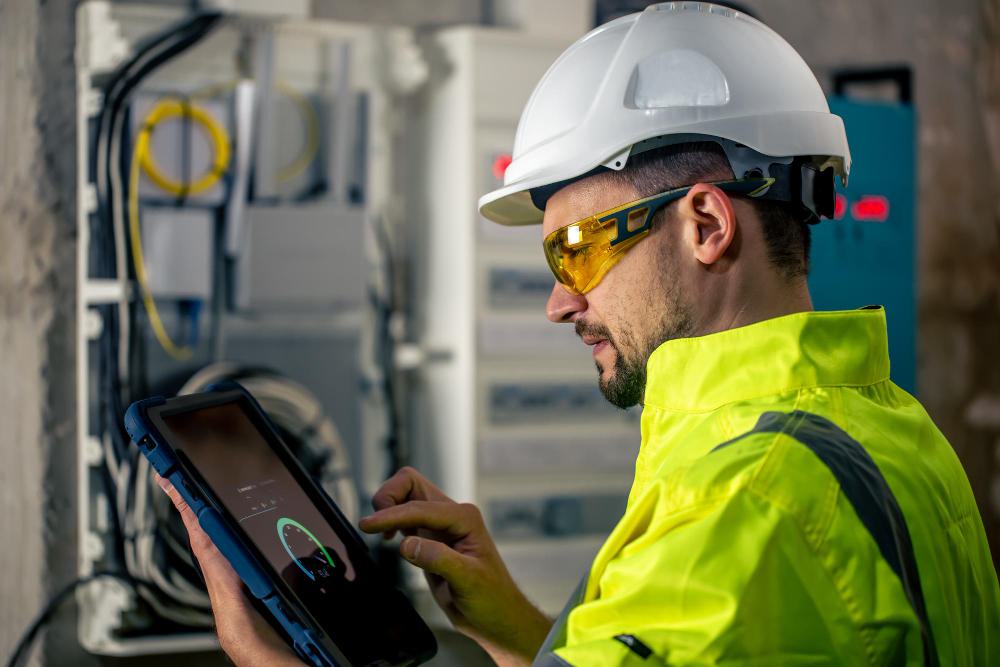
Modern electrical networks rely on sophisticated protection systems to maintain stability, safety, and reliability. Among these protection systems, protective relays play a vital role in detecting abnormal electrical conditions and initiating the necessary actions to isolate faults. However, the effectiveness of these relays depends not only on their design but also on how accurately they are commissioned.
Relay commissioning is the critical process of verifying, testing, and configuring protection relays before they are placed into service. Proper commissioning ensures that the relay operates exactly as intended during fault conditions, helping to protect electrical equipment and maintain overall system stability.
Without thorough relay commissioning, even the most advanced protection devices may fail to respond correctly, potentially leading to equipment damage, extended outages, and serious safety hazards.
Understanding Relay Commissioning
Relay commissioning involves a systematic set of tests and verifications performed after the installation of protection relays but before the electrical system becomes fully operational. The purpose is to confirm that every relay is correctly installed, properly configured, and capable of responding to electrical faults in accordance with the designed protection scheme.
This process includes checking wiring connections, verifying relay settings, conducting functional tests, and simulating fault conditions to confirm that the relay triggers the appropriate circuit breaker operation.
Commissioning ensures that the relay does not simply exist in the system but actively contributes to the protection and stability of the electrical network.
Why Relay Commissioning Is Essential
Prevents System Instability
Electrical systems must respond quickly and accurately when faults occur. If relays operate too slowly, fail to detect faults, or trip incorrectly, the entire network can become unstable. Proper commissioning ensures relays respond within the designed time limits and help maintain system balance during abnormal conditions.
Protects Critical Infrastructure
Electrical networks often power essential equipment such as transformers, motors, generators, and switchgear. Fault currents can cause significant damage to these assets. Commissioned relays detect abnormal conditions early and isolate faults before they escalate into major failures.
Ensures Selective Protection
In a well-designed protection system, only the protective device closest to the fault should operate. Relay commissioning verifies that the protection scheme follows this principle of selectivity. This prevents unnecessary shutdown of healthy parts of the network.
Enhances Operational Safety
Faults such as short circuits, overloads, and earth faults can create hazardous conditions including arc flashes and equipment explosions. Commissioning confirms that relays can detect these events and initiate immediate protective action, reducing risks to personnel and equipment.
Key Steps in the Relay Commissioning Process
Relay commissioning involves several technical steps to ensure the protection system functions reliably.
Visual and Wiring Inspection
The process begins with a thorough inspection of the relay panel, wiring connections, and terminal configurations. This step confirms that the relay is installed correctly and that all current transformer (CT) and potential transformer (PT) connections are properly terminated.
Configuration and Setting Verification
Each relay must be programmed according to the protection scheme developed during system design. Engineers verify parameters such as pickup currents, time delays, protection curves, and communication settings to ensure they match the approved coordination study.
Secondary Injection Testing
Secondary injection testing involves injecting simulated current or voltage signals into the relay inputs to confirm that the relay responds correctly. This test verifies the relay’s operating characteristics and confirms that it triggers trip commands within the expected time.
Functional and Logic Testing
Modern digital relays often include advanced logic functions such as interlocking, blocking schemes, and communication-based protection. Functional testing verifies that these logic sequences operate correctly under different scenarios.
Trip Circuit Verification
Another critical part of commissioning is verifying that the relay’s trip signal successfully operates the circuit breaker. This confirms the entire protection chain—from fault detection to breaker operation—is functioning properly.
The Role of Digital Protection Relays
Today’s electrical systems increasingly rely on numerical or digital protection relays, which provide advanced capabilities such as event recording, disturbance analysis, communication protocols, and adaptive protection settings.
While these features enhance system protection, they also increase the complexity of commissioning. Engineers must carefully verify software settings, communication networks, and logic configurations to ensure all functions operate as intended.
Proper commissioning of digital relays ensures that their advanced capabilities are fully utilized while maintaining dependable protection.
Consequences of Poor Relay Commissioning
Skipping or rushing the commissioning process can lead to serious problems within an electrical network. Incorrect relay settings may cause unwanted tripping during normal operations or failure to trip during actual faults.
Such issues can result in:
- Widespread power outages
- Damage to transformers, cables, and switchgear
- Reduced system reliability
- Increased maintenance costs
- Safety hazards for operational staff
In critical industrial environments, a single protection failure can disrupt production processes and cause substantial financial losses.
Importance of Periodic Testing After Commissioning
Relay commissioning is not a one-time activity. Electrical systems evolve as facilities expand, equipment is upgraded, or operational conditions change. These modifications can affect fault levels and protection coordination.
Periodic relay testing and protection audits ensure that the system continues to operate according to its original design objectives. Regular verification also helps detect issues such as calibration drift, wiring faults, or configuration errors.
Strengthening Power System Reliability
Relay commissioning plays a foundational role in building a reliable and stable electrical protection system. By ensuring that protection relays are correctly configured and fully functional, engineers can safeguard electrical networks from instability and operational disruptions.
Reduce Downtime and Risk with Preventive Circuit Breaker Repairing
From Inspection to Reliability: Benefits of Circuit Breaker Servicing

 English
 Arabic
 French
 Spanish
 Portuguese
 Deutsch
 Turkish
 Dutch
Dutch
 Russian
 Romaian
 Portuguese (Brazil)
 Greek
Greek