


Commercial Solar Installation in Australia: Calculate Your Potential Business Savings
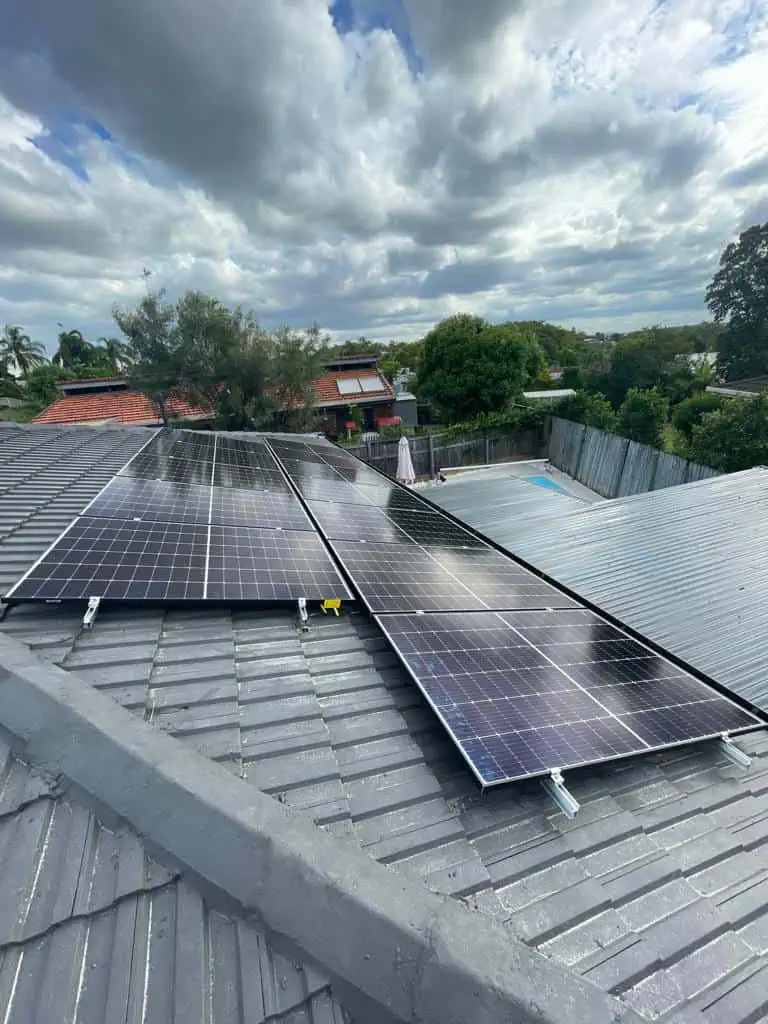
Australia is one of the sunniest countries in the world — and that makes it one of the most profitable places to invest in commercial solar. With rising electricity prices and strong government support for renewable energy, Australian businesses are increasingly switching to solar to reduce operating costs and improve long-term profitability.
If you're running a warehouse, manufacturing unit, retail outlet, farm, or office building, commercial solar isn’t just about sustainability — it’s about smart financial planning.
Let’s break down how to calculate your potential savings and understand what commercial solar can do for your business in Australia.
Why Commercial Solar Makes Sense in Australia
Australia offers:
- High solar irradiance (excellent sunlight hours)
- Rising grid electricity prices
- Strong government incentives
- Favorable net metering/export schemes (varies by state)
Commercial power tariffs in Australia are significantly higher than residential rates, especially during peak demand hours. That makes offsetting grid electricity with solar highly attractive for businesses.
Step 1: Understand Your Current Electricity Costs
Start with your annual electricity bill.
Check:
- Total annual consumption (kWh)
- Average tariff per kWh
- Peak vs off-peak usage
- Demand charges (if applicable)
Example:
- Annual consumption: 250,000 kWh
- Average tariff: $0.28 per kWh
- Annual electricity expense: $70,000
This is your starting benchmark.
Step 2: Estimate Solar Offset
A well-designed commercial solar system in Australia can typically offset 60%–90% of daytime electricity usage, depending on:
- Roof size
- Energy consumption timing
- System size
- State regulations
If your solar system offsets 75% of your usage:
250,000 kWh × 75% = 187,500 kWh generated annually
187,500 kWh × $0.28 = $52,500 annual savings
That’s immediate cost reduction from year one.
Step 3: Factor in Government Incentives (STCs)
Australia offers financial incentives through the Small-scale Renewable Energy Scheme (SRES) managed by the Clean Energy Regulator.
Under this scheme:
- Businesses receive Small-scale Technology Certificates (STCs)
- STCs reduce upfront installation cost
- The number of certificates depends on system size and location (climate zone)
For larger commercial projects, additional state-based grants or funding programs may apply.
These incentives can reduce system cost by thousands — sometimes tens of thousands — of dollars.
Step 4: Calculate Installation Cost
Commercial solar costs vary based on size and complexity.
Indicative pricing (varies by installer and state):
- 30kW system: $30,000–$45,000
- 100kW system: $90,000–$140,000
- 250kW+ systems: Custom pricing
Let’s assume:
- 100kW system cost after STCs: $110,000
- Annual savings: $52,500
Step 5: Calculate Payback Period
Payback Period = Installation Cost ÷ Annual Savings
$110,000 ÷ $52,500 ≈ 2.1 years
That means after just over two years, your system effectively pays for itself.
Considering commercial solar systems last 25+ years, your business could enjoy over 20 years of low-cost electricity.
Step 6: Account for Electricity Price Increases
Electricity prices in Australia have historically increased over time.
If tariffs rise by just 4% annually, your savings grow every year.
That means:
- Year 1 savings: $52,500
- Year 5 savings: Higher due to tariff escalation
- Year 10 savings: Significantly higher
Over 20 years, total savings could exceed $1 million, depending on system size and usage.
Additional Financial Benefits
1. Reduced Demand Charges
Commercial solar can reduce peak demand charges (depending on system design).
2. Asset Depreciation
Solar systems can often be depreciated as business assets, improving tax efficiency.
3. Improved Property Value
Commercial properties with solar systems are more attractive to buyers and tenants.
4. ESG & Sustainability Advantage
More Australian businesses are required to meet carbon reduction targets.
Solar improves:
- Corporate reputation
- Investor appeal
- Tender eligibility
Which Australian Businesses Benefit Most?
Solar works best for businesses with:
- High daytime electricity usage
- Large rooftop space
- Consistent weekly operations
- Warehouses, cold storage, manufacturing, retail, agriculture
Industries with heavy air-conditioning or machinery loads during daylight hours see the fastest ROI.
OPEX vs CAPEX Models
If upfront cost is a concern, businesses can explore:
- Power Purchase Agreements (PPA)
- Solar leasing
- Green loans
- Energy-as-a-service models
These allow you to install solar with minimal upfront capital while still reducing electricity costs.
Maintenance & Performance
Commercial solar systems in Australia require minimal maintenance:
- Periodic panel cleaning
- Inverter servicing
- Performance monitoring
With proper care, systems operate efficiently for decades.
Is Now the Right Time?
With:
- Rising electricity costs
- Government incentives
- High sunlight availability
- Attractive payback periods (often 2–4 years)
Commercial solar in Australia is not just environmentally responsible — it’s financially strategic.
Final Thoughts
Commercial solar installation in Australia transforms electricity from a recurring expense into a controllable business asset.
Residential Solar Systems Explained: Turning a Smart Choice into a Powerful Investment Opportunity
Industrial Solar Energy: What Businesses Need to Know About Sustainable Growth and Reliable Power Supply

 Arabic
 French
 Spanish
 Portuguese
 Deutsch
 Turkish
 Dutch
Dutch
 Italiano
 Russian
 Romaian
 Portuguese (Brazil)
 Greek
Greek