


The Rise of Mobile Healthcare: Vaccination at Home Explained
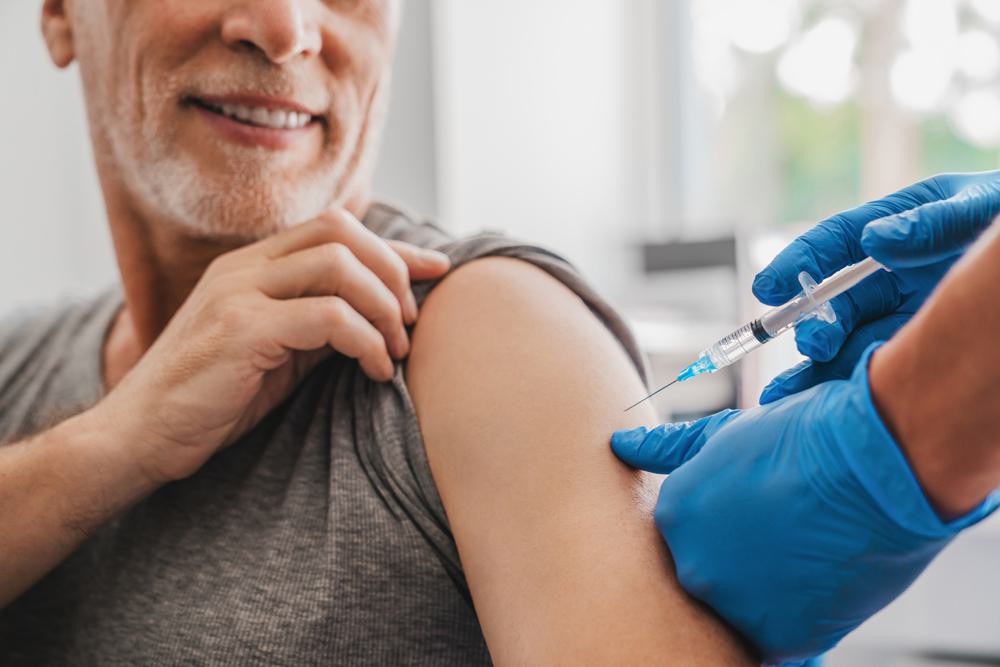
The healthcare landscape is rapidly evolving, and mobile healthcare services are at the forefront of this transformation. Vaccination at home exemplifies this trend by bringing professional medical care directly to patients’ doorsteps. This approach combines convenience, safety, and personalized attention, making preventive healthcare more accessible than ever before.
What Is Mobile Healthcare?:
Mobile healthcare refers to medical services delivered outside traditional clinics and hospitals, often directly to patients’ homes or workplaces.
- Includes vaccinations, health screenings, and routine check-ups
- Utilizes trained healthcare professionals and portable equipment
- Reduces the need for travel and waiting in crowded clinics
- Provides flexible and patient-centered care
By extending healthcare beyond conventional settings, mobile services increase accessibility and efficiency for diverse populations.
How Vaccination at Home Fits Into Mobile Healthcare:
Home-based vaccination is a key component of mobile healthcare, offering immunizations without requiring clinic visits.
- Licensed professionals deliver vaccines safely and efficiently
- Services include routine, seasonal, and travel vaccines
- Personalized care tailored to patient health history
- Post-vaccination monitoring in a familiar environment
This approach makes preventive care more convenient and encourages adherence to vaccination schedules.
Convenience and Time-Saving Benefits:
Vaccination at home eliminates the time and effort associated with traditional clinic visits, making healthcare more manageable for busy patients.
- No travel, parking, or commuting required
- Flexible scheduling around work or family commitments
- Reduces waiting periods in crowded clinics
- Minimizes disruption to daily routines
These factors contribute to higher uptake of preventive care and a more patient-friendly experience.
Enhancing Safety During Health Crises:
During pandemics or flu seasons, minimizing exposure to public spaces is crucial. At-home vaccination reduces this risk significantly.
- Limits contact with potentially sick individuals in clinics
- Provides a controlled, sanitized environment
- Ensures vulnerable populations like seniors and immunocompromised individuals remain protected
- Supports public health by maintaining vaccination coverage safely
Safety is a major advantage of integrating vaccinations into mobile healthcare services.
Personalized Care and Patient Comfort:
One of the unique benefits of at-home vaccination is the individualized attention patients receive.
- Professionals review medical history and allergies in detail
- Patients receive tailored guidance on vaccine side effects and aftercare
- Familiar home settings reduce anxiety, especially for children and seniors
- Allows for better observation and immediate response to any reactions
This personalized approach improves both patient confidence and the overall healthcare experience.
Technology and Coordination in Mobile Healthcare:
Digital tools enhance the effectiveness and efficiency of at-home vaccination services.
- Online scheduling and appointment reminders
- Digital tracking of vaccination records
- Telehealth consultations before and after vaccination
- Communication tools for questions and follow-up guidance
Technology ensures seamless integration into modern healthcare workflows and improves patient satisfaction.
Supporting Public Health and Accessibility:
By making vaccines more accessible, at-home services contribute to broader public health goals.
- Encourages timely immunizations for all age groups
- Reaches remote or underserved populations
- Reduces barriers for patients with mobility or transportation challenges
- Enhances community immunity by maintaining consistent vaccination coverage
Mobile healthcare models strengthen preventive care and public health infrastructure simultaneously.
Future Potential of Vaccination at Home:
As mobile healthcare continues to grow, at-home vaccination is poised to become a standard part of preventive medicine.
- Expansion of services to include additional preventive care and chronic disease management
- Integration with wearable health technology for monitoring
- Increased public awareness and acceptance of home-based care
- Collaboration with employers, schools, and community organizations for broader reach
The future points to a healthcare system that is increasingly patient-centered, convenient, and technology-enabled.
Final Thoughts:
Vaccination at home represents a key advancement in the rise of mobile healthcare, offering safe, convenient, and personalized preventive care. By eliminating travel, reducing exposure risks, and providing individualized attention, it transforms how people approach immunizations. As mobile healthcare continues to expand, at-home vaccination is set to play an essential role in improving public health, enhancing patient comfort, and making preventive care more accessible than ever.

 English
 Arabic
 French
 Spanish
 Portuguese
 Deutsch
 Turkish
 Dutch
Dutch
 Italiano
 Romaian
 Portuguese (Brazil)
 Greek
Greek