


Injection at Home: Professional Guidelines for Safe Therapy
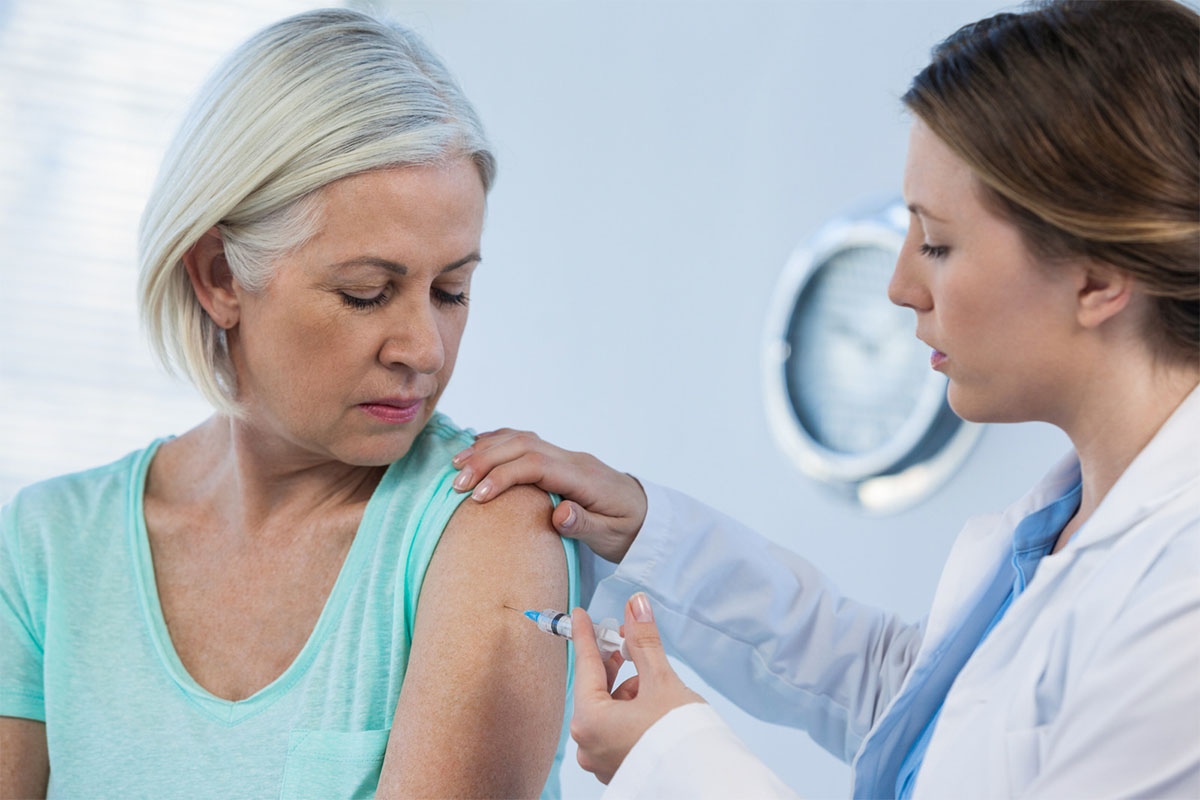
Receiving injections at home has become a practical solution for patients who require regular medication, post-surgery treatments, or chronic disease management. A Home injection service offers the convenience of professional healthcare delivered directly to your doorstep, reducing stress and hospital visits. However, ensuring safety and effectiveness requires adherence to professional guidelines and protocols, which protect both the patient and the healthcare provider.
Verify Credentials and Training of the Healthcare Professional:
The first step in safe home-based therapy is confirming that the visiting nurse or healthcare professional is qualified and experienced. This ensures proper technique, accurate dosing, and the ability to respond to emergencies. Key verification measures include:
-
Confirming licensure and certification
-
Checking experience with home injections
-
Ensuring knowledge of the specific medication being administered
-
Verifying training in infection control protocols
-
Reviewing references or patient feedback if available
Maintain a Sterile Environment:
Sterility is critical to prevent infections during injections. The home setting must be properly prepared to mimic the hygiene standards of a clinic. Important considerations include:
-
Disinfecting the injection area before starting
-
Using single-use, sterile needles and syringes
-
Washing hands thoroughly before the procedure
-
Ensuring the patient and caregiver follow basic hygiene protocols
-
Keeping pets and distractions away during the injection
Proper Medication Handling and Verification:
Safe therapy requires careful handling of medications to ensure efficacy and avoid contamination. Verifying medication details is a key step in professional guidelines. Essential points include:
-
Checking the medication name and dosage against the prescription
-
Confirming the expiration date
-
Storing medications at the recommended temperature
-
Avoiding exposure to light or moisture if required
-
Documenting the medication batch and lot number for tracking
Correct Injection Technique:
Administering injections with the correct technique prevents complications such as tissue damage, pain, or reduced effectiveness. Professional guidelines emphasize proper methods. Key practices include:
-
Selecting the appropriate injection site (subcutaneous, intramuscular, etc.)
-
Cleaning the site with an antiseptic swab
-
Using the correct needle size and angle
-
Administering medication at a steady pace
-
Observing the patient for immediate reactions
Pre-Injection Assessment:
Before any injection, the healthcare professional must assess the patient’s health and readiness. This step ensures safety and prevents adverse events. Assessment measures include:
-
Reviewing the patient’s medical history and current medications
-
Checking for allergies or previous adverse reactions
-
Ensuring the patient is physically and mentally prepared
-
Confirming any required pre-injection instructions (e.g., fasting)
-
Verifying the patient’s understanding and consent for the procedure
Monitoring During and After Injection:
Continuous monitoring during and after the injection is essential to detect any adverse reactions early. Professional guidelines emphasize vigilance to maintain patient safety. Monitoring practices include:
-
Observing the injection site for redness, swelling, or pain
-
Checking for systemic reactions such as dizziness, rash, or breathing difficulties
-
Keeping emergency medications or equipment nearby
-
Providing immediate intervention if complications arise
-
Documenting observations for future reference
Safe Disposal of Medical Waste:
Proper disposal of needles, syringes, and other medical waste is crucial to prevent accidents and contamination. Safe disposal practices include:
-
Using a designated sharps container for all used needles
-
Ensuring containers are kept out of reach of children and pets
-
Following local regulations for medical waste disposal
-
Avoiding reuse of disposable equipment
-
Cleaning the area thoroughly after the injection
Communication and Documentation:
Clear communication and documentation are essential components of professional home injection therapy. They ensure continuity of care and provide a record for healthcare monitoring. Key practices include:
-
Informing the patient about the procedure and potential side effects
-
Maintaining a log of injection dates, times, and medications
-
Reporting unusual reactions to the primary physician
-
Coordinating follow-up care and future injections
-
Educating patients on home care and monitoring after injections
Patient Education and Comfort:
Patient comfort and understanding are vital to a successful home injection experience. Professional guidelines stress the importance of education and reassurance. Key considerations include:
-
Explaining the procedure step by step to reduce anxiety
-
Offering tips for minimizing discomfort during the injection
-
Demonstrating techniques if the patient will self-administer future injections
-
Encouraging questions and providing clear answers
-
Reinforcing adherence to post-injection care instructions
Emergency Preparedness:
Even with proper precautions, emergencies can occur. Professional guidelines emphasize readiness to handle unexpected situations safely. Key preparedness steps include:
-
Keeping emergency contact numbers readily available
-
Ensuring access to epinephrine or other emergency medications if needed
-
Having a plan for quick transport to a hospital or clinic
-
Educating the patient and caregivers about emergency protocols
-
Reviewing possible complications and how to respond to them
Final Thoughts:
Following professional guidelines for a Home injection service ensures safe, effective, and comfortable therapy in the convenience of your own home. By verifying credentials, maintaining sterility, using proper techniques, and monitoring for reactions, patients and healthcare providers can minimize risks and maximize treatment outcomes. Clear communication, education, and emergency preparedness further enhance safety, making home-based injections a reliable and patient-centered option for ongoing medical care.

 English
 Arabic
 French
 Spanish
 Portuguese
 Deutsch
 Dutch
Dutch
 Italiano
 Russian
 Romaian
 Portuguese (Brazil)
 Greek
Greek