


Hydrafacial vs. Traditional Facials: What’s the Real Difference?
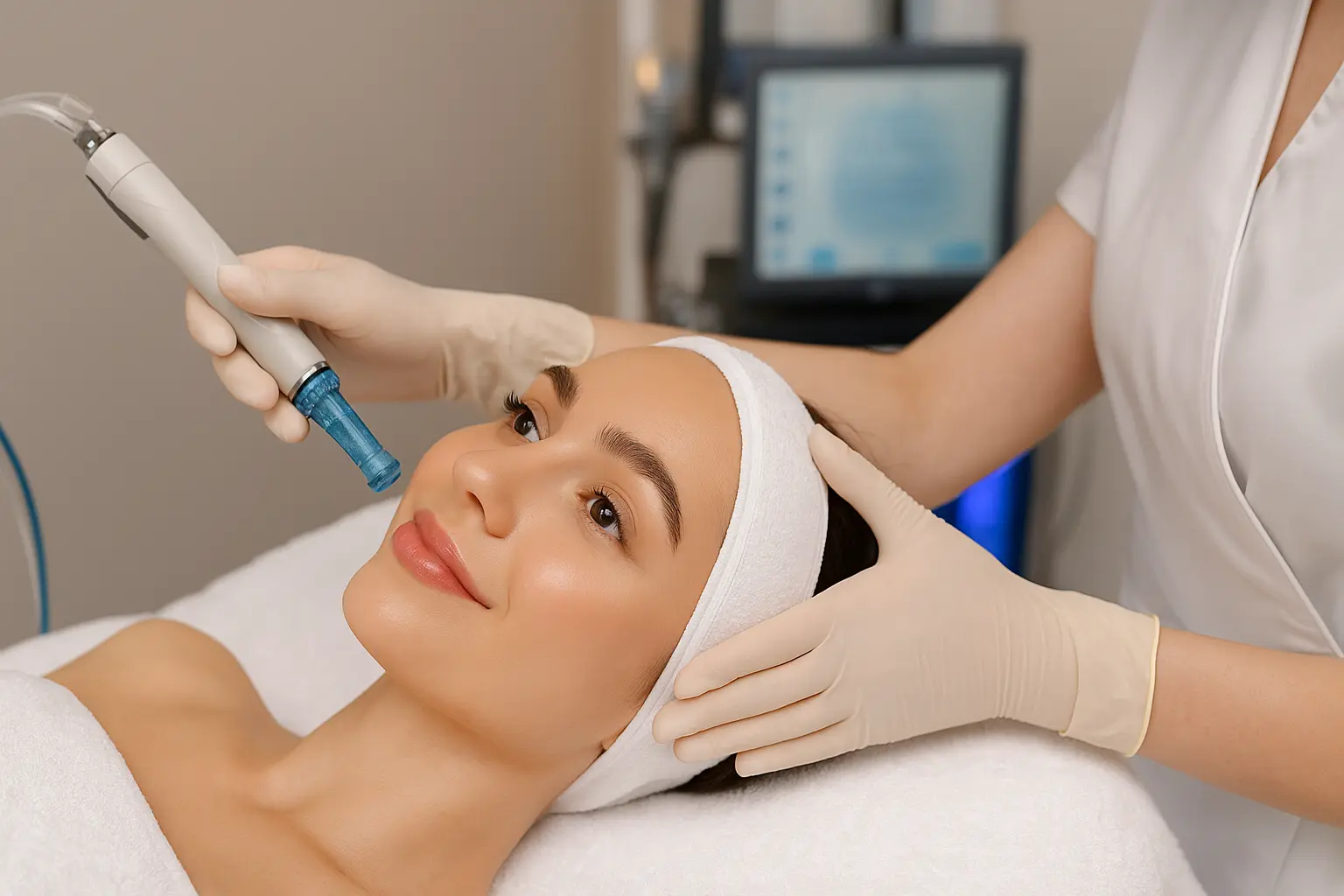
When it comes to professional skincare treatments, two popular options often come up: Hydrafacial and traditional facials. While both aim to improve skin health and appearance, they differ significantly in technique, technology, and results. With the growing demand for Hydrafacial Riyadh services, many people are wondering whether this modern treatment truly outperforms classic facial methods. If you’re trying to decide which option suits your skin goals, understanding the real differences can help you make an informed choice.
What Is a Traditional Facial:
A traditional facial is a manual skincare treatment typically performed by an esthetician. It usually involves cleansing, exfoliation, steam, manual extractions, a mask, and moisturizing. The exact steps may vary depending on the spa or clinic, but the core focus is on surface-level cleansing and relaxation. Traditional facials are often customized using different masks and products to address concerns like dryness, acne, or dullness. Many people enjoy them not only for skin benefits but also for the soothing, spa-like experience they provide.
What Is a Hydrafacial:
A Hydrafacial is a technology-driven, medical-grade treatment that uses a specialized device with vortex suction to cleanse, exfoliate, extract impurities, and infuse hydrating serums into the skin. Unlike traditional facials, which rely on manual techniques, Hydrafacial combines multiple advanced steps into one streamlined procedure. The treatment typically includes:
-
Gentle exfoliation to remove dead skin cells
-
A light chemical peel to loosen debris
-
Painless suction-based extractions
-
Infusion of antioxidants, peptides, and hyaluronic acid
The result is a deeply cleansed and intensely hydrated complexion with immediate visible improvement.
Differences in Technology and Technique:
The most noticeable difference between the two treatments lies in the method used. Traditional facials depend heavily on hands-on techniques and topical products, while Hydrafacial incorporates specialized equipment to deliver consistent results. Key distinctions include:
-
Manual extractions versus vacuum-powered suction
-
Surface exfoliation versus device-assisted exfoliation
-
Product application versus serum infusion under controlled pressure
-
Relaxation-focused approach versus results-driven technology
This technological edge is one reason why Hydrafacial is often perceived as more advanced and effective.
Results and Effectiveness:
When comparing outcomes, Hydrafacial typically offers more immediate and noticeable results. Many clients report brighter, smoother skin after just one session. Traditional facials can improve skin texture and hydration, but the effects may be subtler and depend on the products used. Hydrafacial stands out because:
-
It delivers instant glow and plumpness
-
Pores appear clearer and less congested
-
Hydration levels are significantly boosted
-
Skin tone looks more even
For individuals seeking faster transformation, this can make a significant difference.
Comfort and Downtime:
Comfort levels and recovery time are important considerations. Traditional facials can sometimes cause redness or discomfort during manual extractions, especially for sensitive skin. Hydrafacial, on the other hand, is known for its gentle and soothing process. Most clients experience:
-
Minimal to no discomfort
-
Little to no redness
-
No peeling or downtime
-
Immediate return to daily activities
This makes it a convenient option for busy individuals who want results without recovery time.
Customization and Versatility:
Both treatments offer customization, but Hydrafacial provides a more targeted approach through specialized booster serums. Traditional facials adjust masks and skincare products based on skin type, while Hydrafacial allows practitioners to tailor:
-
Serum combinations for anti-aging
-
Brightening solutions for pigmentation
-
Clarifying formulas for acne-prone skin
-
Hydration boosters for dry skin
This level of personalization makes it suitable for a wide range of concerns and skin conditions.
Frequency and Maintenance:
The frequency of treatments can also vary depending on your goals. Traditional facials are often recommended once a month for maintenance and relaxation. Hydrafacial is typically advised every four to six weeks for optimal long-term benefits. Regular Hydrafacial sessions can help:
-
Maintain clear pores
-
Improve overall skin texture
-
Enhance collagen support
-
Sustain consistent hydration
For those investing in Hydrafacial Riyadh clinics, maintenance plans are often tailored to individual skincare goals.
Cost Comparison:
Cost is another factor when choosing between these two options. Traditional facials are generally more affordable due to their manual nature and lower equipment costs. Hydrafacial tends to be more expensive because it involves advanced technology and medical-grade serums. However, many clients consider the higher price worthwhile because of:
-
Immediate visible results
-
Multi-step treatment in one session
-
Advanced equipment usage
-
Longer-lasting glow
Ultimately, the value depends on your expectations and skincare priorities.
Ideal Candidates for Each Treatment:
Traditional facials may be ideal for individuals seeking relaxation, mild skin refreshment, and a budget-friendly option. They are also suitable for those who enjoy the spa experience and gentle pampering. Hydrafacial, on the other hand, may be better for individuals who:
-
Want fast and visible improvements
-
Struggle with clogged pores or dullness
-
Prefer non-invasive but technology-driven treatments
-
Need a quick glow-up before events
Understanding your goals can help determine which treatment aligns best with your needs.
Environmental and Lifestyle Considerations:
Environmental factors such as heat, pollution, and dust can impact skin health. In regions with harsher climates, deeper cleansing and hydration may be necessary. This is one reason why Hydrafacial Riyadh services have gained popularity, as the treatment effectively addresses dehydration and clogged pores caused by environmental stressors. Traditional facials can still be beneficial, but individuals facing persistent skin concerns may find the advanced approach more suitable.
Final Thoughts:
Both Hydrafacial and traditional facials offer valuable skincare benefits, but they cater to slightly different needs. Traditional facials focus on relaxation and surface-level improvement, while Hydrafacial combines technology, deep cleansing, and intense hydration for more immediate and noticeable results. If you prioritize comfort, zero downtime, and visible glow, Hydrafacial may be the better option. However, if you enjoy a calming spa experience and are looking for basic maintenance, a traditional facial can still be effective. Ultimately, the right choice depends on your skin concerns, lifestyle, and expectations.

 English
 Arabic
 French
 Spanish
 Portuguese
 Deutsch
 Turkish
 Dutch
Dutch
 Italiano
 Romaian
 Portuguese (Brazil)
 Greek
Greek