


Importance of Strong Structural Design in Modern Construction
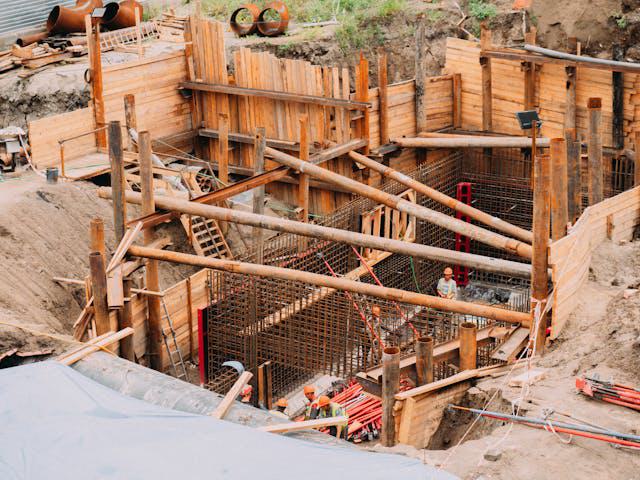
Strong structural design is the backbone of modern construction. It ensures that buildings are safe, durable, and capable of withstanding environmental stresses over time. As cities expand and architectural designs become more complex, the importance of well-planned structures has increased significantly. Whether it is residential housing, commercial complexes, or large infrastructure projects, a solid structural foundation is essential for long-term stability and performance.
What is Structural Design?
Structural design refers to the process of planning and creating a framework that supports a building or structure. It involves analyzing loads, selecting appropriate materials, and ensuring that the structure can handle various forces such as gravity, wind, and seismic activity.
Professionals in Structural Engineering use scientific principles and advanced tools to design buildings that are both safe and efficient. The goal is to create structures that not only meet functional requirements but also comply with safety standards.
Ensuring Safety and Stability
One of the primary reasons strong structural design is important is safety. Buildings must be able to support their own weight along with additional loads such as occupants, furniture, and environmental forces. Poor design can lead to cracks, instability, or even collapse.
In countries like India, where diverse weather conditions and seismic zones exist, structural safety becomes even more critical. Engineers must consider factors like earthquakes, heavy rainfall, and temperature variations while designing structures.
Durability and Longevity
A well-designed structure is built to last. Strong structural planning ensures that buildings can withstand wear and tear over time without significant damage. This reduces maintenance costs and increases the lifespan of the structure.
Durability is especially important for infrastructure such as bridges, highways, and high-rise buildings, where long-term performance is essential. Proper material selection and load distribution play a key role in achieving this durability.
Resistance to Natural Disasters
Modern construction must account for natural disasters such as earthquakes, floods, and storms. Structural design incorporates safety measures to minimize damage during such events.
For example, earthquake-resistant structures use flexible materials and reinforcement techniques to absorb shocks. Similarly, flood-resistant designs include elevated foundations and proper drainage systems.
By integrating these features, structural design helps protect both property and human lives.
Efficient Use of Materials
Strong structural design also focuses on efficiency. Engineers aim to use materials in a way that maximizes strength while minimizing waste. This not only reduces construction costs but also promotes sustainability.
Advanced design techniques allow for precise calculations, ensuring that every component of the structure serves a purpose. This leads to optimized resource utilization and environmentally friendly construction practices.
Supporting Modern Architectural Designs
Modern architecture often involves innovative designs, including tall skyscrapers, complex shapes, and open spaces. These designs require strong structural support to ensure stability.
Structural engineers work closely with architects to bring creative ideas to life without compromising safety. This collaboration results in buildings that are both visually appealing and structurally sound.
Compliance with Building Standards
Construction projects must adhere to strict building codes and regulations. These standards are designed to ensure safety and quality in construction.
Strong structural design ensures compliance with these regulations, reducing the risk of legal issues and project delays. It also enhances the credibility and reliability of the construction project.
Cost-Effectiveness in the Long Run
While investing in strong structural design may increase initial costs, it leads to significant savings in the long run. A well-designed structure requires less maintenance, fewer repairs, and has a longer lifespan.
This makes it a cost-effective solution for property owners and developers. It also increases the value of the property, making it more attractive to buyers and investors.
Role of Professional Expertise
Professional expertise is crucial in achieving strong structural design. Experienced engineers use advanced tools and techniques to analyze and design structures effectively.
Consulting experts offering Structural Engineering Services In Ahmedabad ensures that projects are handled with precision and local knowledge. Professionals familiar with regional conditions can design structures that are better suited to the environment.
Importance in Urban Development
As cities continue to grow, the demand for safe and efficient buildings increases. Strong structural design plays a key role in supporting urban development by ensuring that infrastructure can handle population growth and changing needs.
From residential complexes to commercial hubs, every structure contributes to the overall development of a city. Proper design ensures that this growth is sustainable and safe.
Common Challenges in Structural Design
Despite its importance, structural design comes with challenges such as:
- Dealing with complex architectural requirements
- Managing budget constraints
- Ensuring compliance with regulations
- Adapting to environmental conditions
Overcoming these challenges requires expertise, planning, and innovation.
Future of Structural Design
The future of structural design is driven by technology and innovation. Advanced software, artificial intelligence, and new materials are transforming the way structures are designed and built.
Sustainable construction practices, such as green buildings and energy-efficient designs, are also gaining importance. These advancements aim to create structures that are not only strong but also environmentally responsible.
Final Thoughts
Strong structural design is the foundation of safe and successful construction. It ensures stability, durability, and efficiency while supporting modern architectural trends. By investing in proper design and professional expertise, builders can create structures that stand the test of time.
In today’s rapidly evolving construction industry, prioritizing structural strength is not just a necessity—it is a responsibility.

 English
 Arabic
 French
 Spanish
 Portuguese
 Deutsch
 Turkish
 Dutch
Dutch
 Italiano
 Russian
 Portuguese (Brazil)
 Greek
Greek