


Self Service Kiosk Installation & Support in Saudi Arabia
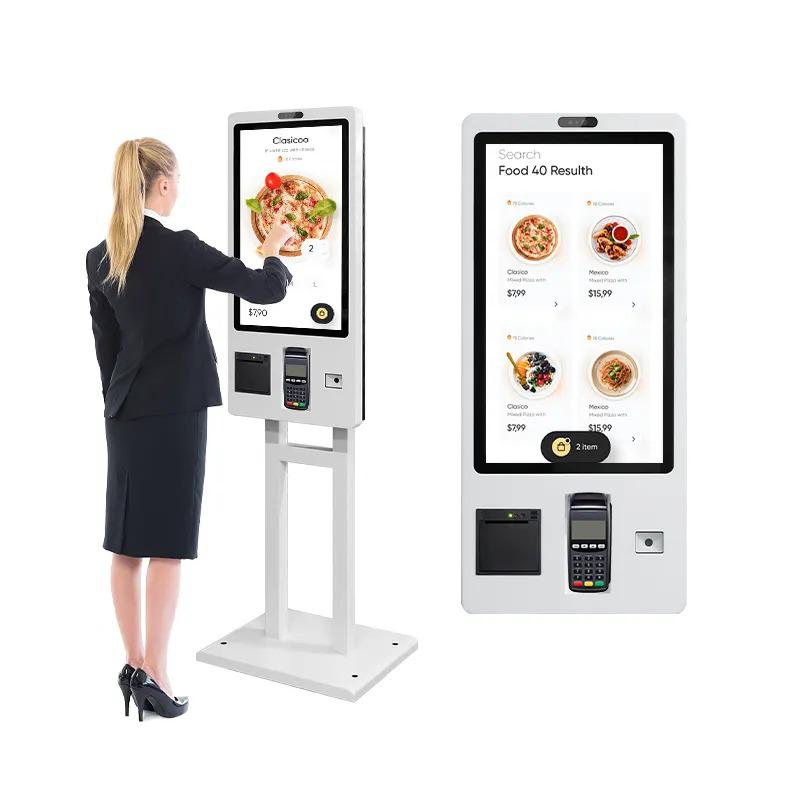
The demand for automation and digital transformation is rapidly increasing across Saudi Arabia. Businesses are investing in smart technologies to enhance customer experience, reduce operational costs, and improve efficiency. One of the most impactful solutions in this transformation is the self service kiosk. From retail stores and restaurants to hospitals and government offices, kiosks are becoming an essential part of modern service delivery.
This article explores the importance, installation process, and support services for self-service kiosks in Saudi Arabia.
Growing Demand for Self Service Kiosks in Saudi Arabia
Saudi Arabia’s Vision 2030 initiative emphasizes digital transformation and smart solutions across industries. Organizations are adopting automated systems to:
-
Reduce waiting times
-
Improve service accuracy
-
Lower labor costs
-
Enhance customer satisfaction
-
Enable contactless transactions
A self service kiosk allows customers to independently complete tasks such as ordering food, checking in, paying bills, printing tickets, and accessing information. This convenience is driving strong adoption across sectors.
Industries Using Self Service Kiosks
1. Retail Sector
Retail stores use kiosks for product browsing, price checks, and self-checkout systems.
2. Food & Beverage
Restaurants and fast-food chains install kiosks for digital ordering and payments, reducing queue times and improving order accuracy.
3. Healthcare
Hospitals and clinics utilize kiosks for patient registration, appointment scheduling, and payment processing.
4. Banking & Financial Services
Banks deploy kiosks for account inquiries, form submissions, and card-related services.
5. Government & Public Services
Government offices use kiosks for document submissions, token generation, and public information access.
Self Service Kiosk Installation Process
Proper installation is critical to ensure smooth operation and long-term performance. The process generally includes the following stages:
1. Site Assessment
Technical experts evaluate the installation location, considering space, power supply, network connectivity, foot traffic, and accessibility requirements.
2. Hardware Configuration
Kiosks are customized based on business needs. This may include:
-
Touchscreen displays
-
Payment terminals
-
Barcode scanners
-
Receipt printers
-
Biometric devices
-
Camera systems
3. Software Integration
The kiosk software is integrated with existing business systems such as POS systems, ERP platforms, CRM systems, or payment gateways.
4. Network Setup
Secure internet connectivity and firewall configuration ensure data protection and uninterrupted operation.
5. Testing & Commissioning
Before going live, technicians test the hardware and software thoroughly to ensure smooth performance.
Customization Options
Businesses in Saudi Arabia often require localized solutions. A self service kiosk can be customized with:
-
Arabic and English language interfaces
-
Branding elements (logos, colors, themes)
-
Industry-specific software features
-
Accessibility features for people with disabilities
-
Secure payment integrations
Customization ensures that the kiosk aligns with the company’s brand identity and customer expectations.
Technical Support & Maintenance Services
Installation is only the first step. Ongoing support is essential to maintain performance and prevent downtime.
1. Preventive Maintenance
Regular inspections and system updates help avoid technical failures.
2. Remote Monitoring
Many service providers offer remote diagnostics to detect and fix issues quickly without on-site visits.
3. On-Site Technical Support
In case of hardware failures, trained technicians provide fast on-site assistance.
4. Software Updates
Frequent updates improve security, add new features, and ensure compatibility with evolving systems.
5. Spare Parts Management
Reliable suppliers maintain spare parts availability to minimize operational disruptions.
Benefits of Professional Installation & Support
Partnering with experienced kiosk providers ensures:
-
Proper system configuration
-
Compliance with local regulations
-
Data security and privacy protection
-
Reduced downtime
-
Long-term cost efficiency
-
Enhanced customer satisfaction
Professional support also ensures scalability, allowing businesses to expand kiosk networks as demand grows.
Key Considerations Before Deployment
Before investing in a self service kiosk, businesses should evaluate:
-
Target audience needs
-
Expected transaction volume
-
Space availability
-
Budget allocation
-
Integration requirements
-
Security standards
Careful planning ensures a successful deployment and maximum return on investment.
The Future of Self Service Kiosks in Saudi Arabia
With increasing digital adoption, contactless service demand, and smart city initiatives, the future of kiosk technology in Saudi Arabia is promising. Advanced features such as AI-powered recommendations, facial recognition, and cloud-based management systems are becoming more common.
As businesses continue to prioritize efficiency and customer convenience, the self service kiosk will remain a vital tool in delivering fast, secure, and seamless service experiences.
Conclusion
Self-service kiosks are transforming how businesses operate in Saudi Arabia. From installation to ongoing technical support, a structured approach ensures reliable performance and customer satisfaction. Companies that invest in professional kiosk solutions position themselves for long-term growth in an increasingly digital marketplace.
The right combination of technology, customization, and technical support makes the self service kiosk a powerful solution for modern businesses across the Kingdom.

 Arabic
 French
 Spanish
 Portuguese
 Deutsch
 Turkish
 Dutch
Dutch
 Italiano
 Russian
 Romaian
 Portuguese (Brazil)
 Greek
Greek