1. What Is Liver Disease?
Liver disease refers to any condition that damages the liver and affects its ability to perform essential functions. The liver helps:
- Remove toxins from the blood
- Digest fats through bile production
- Store vitamins and minerals
- Regulate blood sugar levels
- Produce proteins needed for blood clotting
When the liver becomes damaged, these functions begin to decline, affecting overall health.
2. Can Non-Drinkers Really Get Liver Disease?
Absolutely.
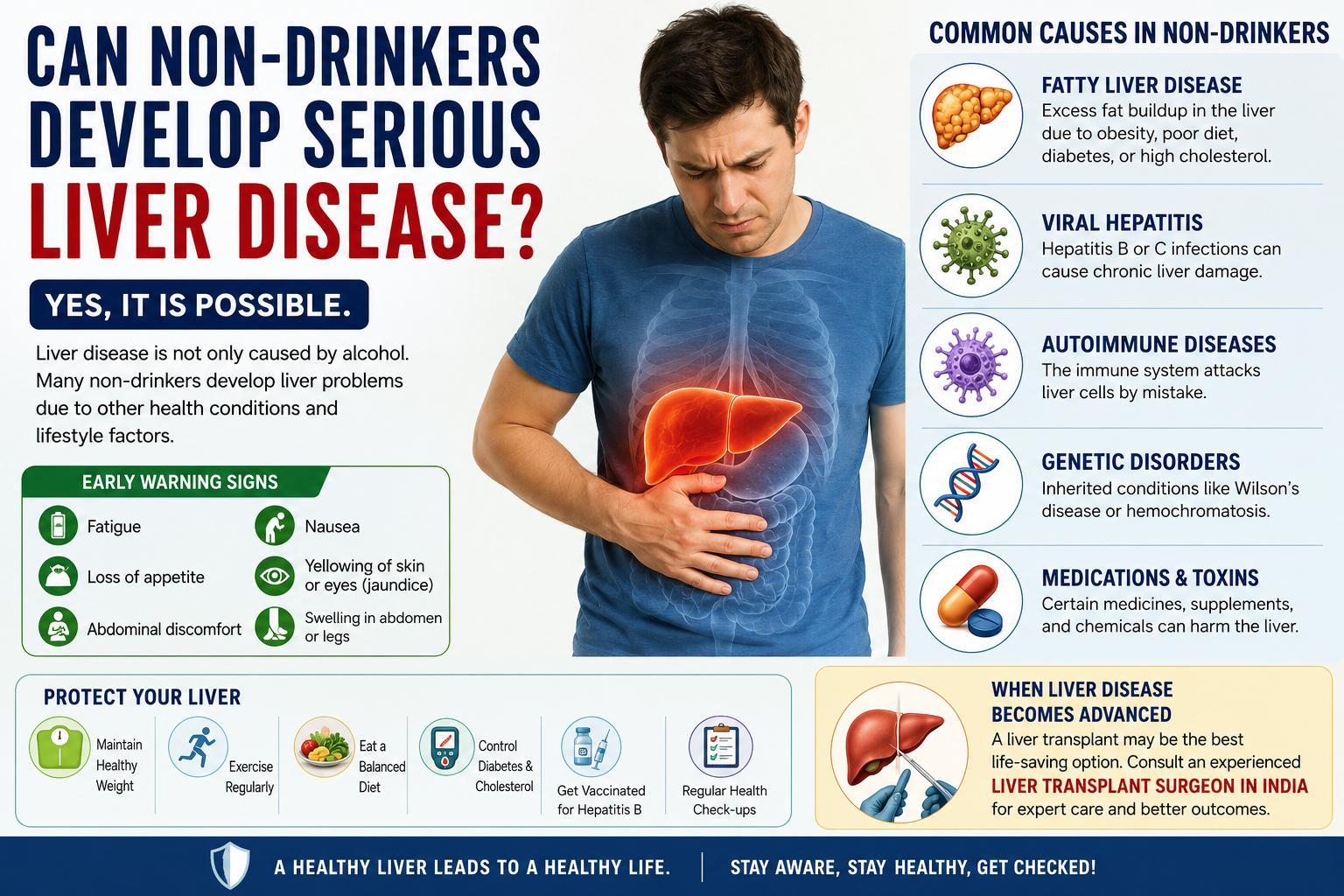
Many serious liver conditions occur in people who do not drink alcohol at all. In fact, healthcare experts worldwide are witnessing a rise in liver disease cases linked to obesity, diabetes, poor dietary habits, viral infections, and genetic disorders.
The absence of alcohol does not guarantee a healthy liver. Other risk factors can silently damage liver cells over time.
Some non-drinkers are shocked when routine blood tests reveal elevated liver enzymes or signs of liver damage because they assumed alcohol was the only threat.
3. Understanding Non-Alcoholic Fatty Liver Disease (NAFLD)
What Is NAFLD?
Non-Alcoholic Fatty Liver Disease (NAFLD) occurs when excess fat accumulates in the liver of people who drink little or no alcohol.
It is currently one of the most common liver disorders worldwide.
Types of NAFLD
Simple Fatty Liver
- Fat builds up in the liver
- Usually causes little immediate damage
Non-Alcoholic Steatohepatitis (NASH)
- Fat accumulation is accompanied by inflammation
- Can lead to scarring and permanent liver damage
Without treatment, NASH may progress to cirrhosis or liver failure.
4. Why Is Fatty Liver Becoming So Common?
Modern lifestyles play a major role.
Major Contributing Factors
Obesity
Excess body fat increases fat storage within the liver.
Type 2 Diabetes
High blood sugar levels contribute to liver inflammation.
Sedentary Lifestyle
Lack of physical activity slows metabolism and promotes fat accumulation.
Poor Diet
High consumption of processed foods, sugary beverages, and fast food increases liver fat.
High Cholesterol
Abnormal cholesterol and triglyceride levels can damage liver health.
The growing prevalence of these conditions explains why fatty liver disease is becoming a global health concern.
5. Other Causes of Liver Disease in Non-Drinkers
Fatty liver disease is not the only cause.
Viral Hepatitis
Hepatitis B and Hepatitis C infections can lead to chronic liver damage and increase the risk of liver cancer.
Autoimmune Liver Diseases
In these conditions, the immune system mistakenly attacks healthy liver tissue.
Examples include:
- Autoimmune hepatitis
- Primary biliary cholangitis
- Primary sclerosing cholangitis
Genetic Disorders
Certain inherited conditions affect liver function.
Examples include:
- Hemochromatosis
- Wilson's disease
- Alpha-1 antitrypsin deficiency
Medication-Related Liver Injury
Some medications, supplements, and herbal products may harm the liver when taken improperly or for long periods.
6. Early Warning Signs You Shouldn't Ignore
One of the biggest challenges with liver disease is that symptoms often appear late.
Common Symptoms
- Persistent fatigue
- Weakness
- Loss of appetite
- Nausea
- Abdominal discomfort
- Unexplained weight loss
Advanced Symptoms
- Yellowing of skin and eyes (jaundice)
- Swelling in the abdomen
- Swollen legs
- Dark urine
- Easy bruising
- Mental confusion
If you notice these symptoms, seeking medical attention promptly is important.
7. How Liver Disease Progresses Over Time
Liver disease usually develops gradually.
Stage 1: Fatty Liver
Fat accumulates within liver cells.
Stage 2: Inflammation
The liver becomes irritated and inflamed.
Stage 3: Fibrosis
Scar tissue begins replacing healthy liver tissue.
Stage 4: Cirrhosis
Extensive scarring disrupts liver function.
Stage 5: Liver Failure
The liver can no longer perform essential tasks effectively.
Early intervention can stop or slow this progression.
8. Who Is Most at Risk?
Certain individuals face a higher risk of developing serious liver disease despite never drinking alcohol.
High-Risk Groups
- People with obesity
- Individuals with diabetes
- Patients with high cholesterol
- Those with high blood pressure
- People with metabolic syndrome
- Individuals with a family history of liver disease
- Patients with chronic viral hepatitis
Regular health checkups are especially important for these groups.
9. How Doctors Diagnose Liver Disease
Early diagnosis improves treatment outcomes significantly.
Blood Tests
Doctors often begin with liver function tests to measure liver enzyme levels.
Ultrasound
This imaging test can identify fatty liver and structural abnormalities.
FibroScan
A specialized scan measures liver stiffness and helps assess scarring.
CT Scan and MRI
These provide detailed liver images when necessary.
Liver Biopsy
In certain cases, a small tissue sample is examined under a microscope to confirm diagnosis.
10. Treatment Options for Non-Drinkers
Treatment depends on the underlying cause.
Managing Fatty Liver Disease
- Weight reduction
- Healthy eating
- Regular exercise
- Blood sugar control
- Cholesterol management
Treating Viral Hepatitis
Modern antiviral medications can effectively control or eliminate certain infections.
Managing Autoimmune Conditions
Doctors may prescribe medications that suppress excessive immune activity.
The earlier treatment begins, the better the chances of preventing irreversible damage.
11. Lifestyle Changes That Protect the Liver
Lifestyle changes remain one of the most powerful tools for protecting liver health.
Maintain a Healthy Weight
Even a modest weight loss can reduce liver fat significantly.
Exercise Regularly
Aim for at least 150 minutes of moderate physical activity each week.
Eat a Balanced Diet
Focus on:
- Fruits
- Vegetables
- Whole grains
- Lean proteins
- Healthy fats
Reduce Sugar Intake
Excess sugar is closely linked to fatty liver disease.
Stay Hydrated
Adequate hydration supports overall metabolic health.
12. When Is a Liver Transplant Needed?
Not every liver disease patient requires a transplant.
However, transplantation becomes necessary when:
- Advanced cirrhosis develops
- Liver failure occurs
- Liver cancer meets transplant criteria
- The liver can no longer function adequately
A liver transplant replaces the diseased liver with a healthy donor liver, offering many patients a second chance at life.
Modern transplant techniques have significantly improved survival rates and quality of life.
13. Choosing the Right Liver Transplant Surgeon in India
When advanced liver disease reaches a critical stage, selecting an experienced liver transplant surgeon in india becomes one of the most important decisions for patients and families.
What to Look For
Experience
Choose surgeons who have performed a high number of successful liver transplants.
Hospital Infrastructure
Advanced transplant centers provide specialized intensive care and multidisciplinary support.
Patient Outcomes
Success rates and long-term outcomes are important indicators of quality care.
Comprehensive Care
The best programs offer pre-transplant evaluation, surgery, and long-term follow-up.
India has become a leading destination for liver transplantation because of its skilled specialists, advanced medical technology, and comprehensive transplant programs.
14. Can Liver Disease Be Prevented?
In many cases, yes.
Prevention Strategies
- Maintain a healthy weight
- Exercise consistently
- Control diabetes
- Monitor cholesterol levels
- Get vaccinated against Hepatitis B
- Avoid unnecessary medications
- Undergo regular health screenings
Prevention is often easier and more effective than treatment.
15. Key Takeaways for Long-Term Liver Health
Many people assume liver disease only affects alcohol consumers, but this belief can be misleading. Serious liver conditions can develop in non-drinkers due to fatty liver disease, diabetes, obesity, viral hepatitis, autoimmune disorders, and genetic factors.
The encouraging news is that many liver diseases are preventable or manageable when detected early. Regular checkups, healthy lifestyle choices, and timely medical intervention can make a tremendous difference.
If liver disease progresses despite treatment, consultation with an experienced liver transplant surgeon in india can help determine the best course of action and improve the chances of a successful recovery.
Conclusion
So, can non-drinkers develop serious liver disease? The answer is a definite yes. Liver disease is not limited to alcohol consumption. Conditions such as non-alcoholic fatty liver disease, viral hepatitis, autoimmune disorders, and metabolic diseases can silently damage the liver over time.
The key is awareness. Understanding risk factors, recognizing symptoms, and adopting healthy habits can help protect one of the most important organs in your body. Regular screenings and timely medical care can prevent complications and ensure better long-term health outcomes.
FAQs
1. Can a person who never drinks alcohol get cirrhosis?
Yes. Cirrhosis can develop from fatty liver disease, viral hepatitis, autoimmune liver diseases, and inherited disorders, even in non-drinkers.
2. What is the most common liver disease in non-drinkers?
Non-Alcoholic Fatty Liver Disease (NAFLD) is currently one of the most common liver conditions affecting non-drinkers worldwide.
3. Can fatty liver disease be reversed?
In many cases, yes. Early-stage fatty liver disease can often be reversed through weight loss, healthy eating, exercise, and management of underlying conditions.
4. How often should liver function tests be done?
Individuals with risk factors such as obesity, diabetes, or a family history of liver disease should discuss regular screening schedules with their healthcare provider.
5. When should someone consult a liver transplant surgeon in india?
Consultation may be necessary when advanced cirrhosis, liver failure, or certain liver cancers are diagnosed and transplantation becomes a potential treatment option.




 English
 Arabic
 French
 Spanish
 Portuguese
 Turkish
 Dutch
Dutch
 Italiano
 Russian
 Romaian
 Portuguese (Brazil)
 Greek
Greek