

Learn About Teeth Misalignment and Its Treatment Methods
A healthy smile is important for both appearance and oral health. Properly aligned teeth make it easier to chew food, speak clearly, and maintain good oral hygiene. However, many people experience problems with the position of their teeth, which can affect their daily lives and confidence.
When teeth are not properly positioned, they may create difficulties in cleaning, chewing, and maintaining overall dental health. Understanding the causes and available treatment options can help individuals make informed decisions about their oral care. Teeth misalignment is a common dental condition that affects children, teenagers, and adults. It can range from minor spacing issues to more complex bite problems that require professional treatment. Fortunately, modern dentistry offers several effective solutions to correct these issues and improve both function and appearance.
What Is Teeth Misalignment?
Teeth misalignment refers to a condition where teeth are not positioned correctly within the mouth. Instead of forming a straight and balanced arrangement, the teeth may overlap, twist, crowd together, or leave noticeable gaps.
Misaligned teeth can affect one tooth, several teeth, or the entire dental arch. The condition may involve the upper teeth, lower teeth, or both.
Dental professionals often use the term "malocclusion" to describe problems involving the alignment of teeth and the way the upper and lower jaws fit together.
Common Types of Teeth Misalignment
There are different forms of teeth misalignment. Understanding these types can help identify the issue and determine the most suitable treatment.
Crowded Teeth
Crowding occurs when there is not enough space in the jaw for all teeth to fit properly. As a result, teeth may overlap or rotate.
Common signs include:
- Teeth appearing crooked
- Difficulty flossing between teeth
- Increased plaque buildup
- Challenges maintaining oral hygiene
Gapped Teeth
Some individuals have noticeable spaces between their teeth. These gaps may occur due to missing teeth, jaw size differences, or habits developed during childhood.
Small gaps may only affect appearance, while larger gaps can influence chewing and speech.
Overbite
An overbite occurs when the upper front teeth overlap the lower front teeth excessively.
A mild overbite is common, but a severe overbite may lead to:
- Jaw discomfort
- Tooth wear
- Speech difficulties
- Chewing problems
Underbite
An underbite happens when the lower teeth extend beyond the upper teeth.
This condition may affect facial appearance and can make biting and chewing more difficult.
Crossbite
A crossbite develops when some upper teeth sit inside the lower teeth rather than outside them.
If left untreated, a crossbite can contribute to uneven tooth wear and jaw issues.
Open Bite
An open bite occurs when the upper and lower teeth do not touch when the mouth is closed.
This condition often affects biting and may make it difficult to chew certain foods.
What Causes Teeth Misalignment?
Several factors can contribute to teeth misalignment. Some causes are present from birth, while others develop over time.
Genetics
Genetics plays a major role in determining jaw size, tooth size, and facial structure.
Children may inherit:
- Small jaws
- Large teeth
- Bite irregularities
- Jaw alignment issues
These inherited characteristics can increase the likelihood of misaligned teeth.
Thumb Sucking
Prolonged thumb sucking during childhood may affect the development of the teeth and jaw.
If the habit continues beyond the early years, it can contribute to alignment problems.
Pacifier Use
Extended pacifier use may influence tooth positioning in a similar way to thumb sucking.
Early dental monitoring can help reduce potential complications.
Premature Loss of Baby Teeth
Baby teeth help guide permanent teeth into their correct positions.
If baby teeth fall out too early due to injury or decay, permanent teeth may emerge incorrectly.
Mouth Breathing
Long-term mouth breathing during childhood can affect jaw development and facial growth, potentially contributing to alignment problems.
Injuries and Trauma
Accidents that impact the mouth or jaw may shift teeth from their natural positions and lead to alignment concerns.
Signs and Symptoms of Teeth Misalignment
Some alignment issues are easy to recognize, while others may require professional evaluation.
Common signs include:
- Crooked teeth
- Overlapping teeth
- Large gaps between teeth
- Difficulty chewing food
- Frequent biting of the cheeks
- Jaw pain
- Speech difficulties
- Uneven tooth wear
- Clicking sounds in the jaw
- Difficulty cleaning teeth properly
If these symptoms are present, a dental examination can help determine the underlying cause.
Why Teeth Misalignment Should Not Be Ignored
Many people believe misaligned teeth are only a cosmetic concern. However, the condition can affect oral health and daily comfort.
Increased Risk of Tooth Decay
Crooked or crowded teeth create hard-to-reach areas where plaque and food particles can accumulate.
This increases the risk of:
- Cavities
- Gum disease
- Bad breath
Gum Problems
Misaligned teeth may place extra stress on gum tissues.
Over time, this can contribute to inflammation and periodontal issues.
Jaw Strain
Improper bite alignment can force jaw muscles to work harder.
This may result in:
- Jaw pain
- Headaches
- Facial discomfort
- Temporomandibular joint (TMJ) problems
Excessive Tooth Wear
When teeth do not meet correctly, certain teeth may experience excessive pressure.
This can cause:
- Chipping
- Cracking
- Enamel wear
Reduced Confidence
Many individuals feel self-conscious about crooked or uneven teeth.
Improving alignment often helps people feel more comfortable smiling and speaking in social situations.
How Dentists Diagnose Teeth Misalignment
A dental professional will perform a comprehensive examination to evaluate tooth and jaw positioning.
The assessment may include:
Visual Examination
The dentist examines the teeth, bite, and jaw relationship.
Dental X-Rays
X-rays help identify hidden issues affecting alignment and jaw structure.
Digital Scans
Modern dental technology allows detailed digital images of the teeth and mouth.
Bite Analysis
The dentist evaluates how the upper and lower teeth come together during biting and chewing.
After the evaluation, an individualized treatment plan can be developed.
Treatment Methods for Teeth Misalignment
The most suitable treatment depends on the severity of the condition, age of the patient, and specific alignment concerns.
Traditional Braces
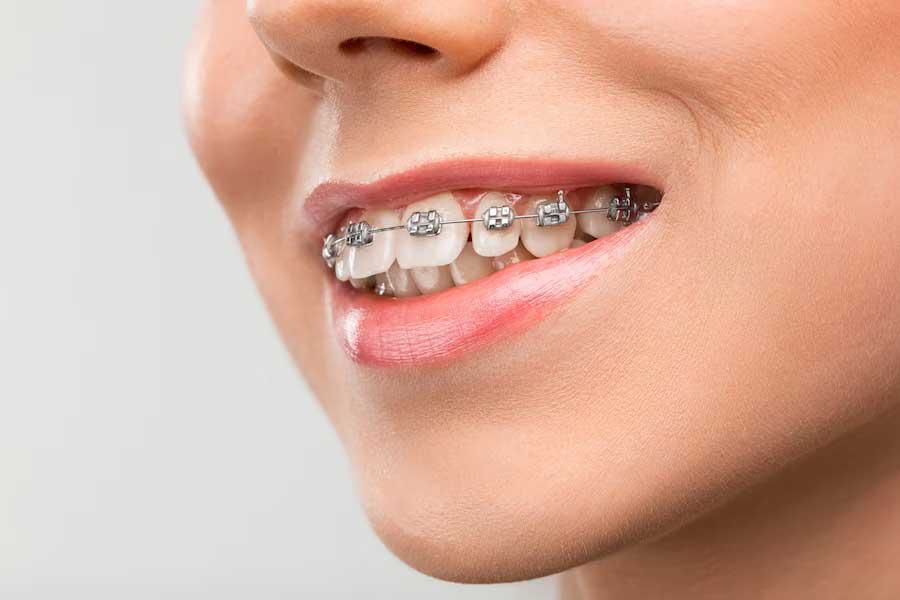
Traditional braces remain one of the most effective solutions for correcting complex alignment issues.
Braces consist of:
- Brackets
- Archwires
- Elastic bands
They gradually move teeth into their proper positions over time.
Benefits of Braces
- Suitable for complex cases
- Effective for crowding and bite problems
- Reliable long-term results
Clear Aligners
Clear aligners have become a popular alternative to traditional braces.
These custom-made transparent trays gently move teeth into alignment.
Benefits of Clear Aligners
- Nearly invisible appearance
- Removable during meals
- Easier oral hygiene
- Comfortable design
Patients typically receive a series of aligners that are changed according to the treatment plan.
Retainers
Retainers are often used after orthodontic treatment to maintain results.
Without retainers, teeth may gradually shift back toward their original positions.
Retainers can be:
- Removable
- Fixed
The dentist will recommend the most appropriate option.
Dental Veneers
In certain mild cases, veneers may improve the appearance of slightly misaligned teeth.
These thin shells are bonded to the front surface of teeth to create a more uniform appearance.
However, veneers primarily address cosmetic concerns rather than correcting underlying bite problems.
Tooth Extraction
When severe crowding is present, removing one or more teeth may create the necessary space for alignment treatment.
This option is carefully evaluated and recommended only when appropriate.
Orthognathic Surgery
Severe jaw misalignment may require corrective jaw surgery.
This treatment is generally reserved for complex cases where orthodontic treatment alone cannot achieve the desired results.
How Long Does Treatment Take?
Treatment duration varies depending on the severity of the alignment issue.
General timelines include:
- Minor corrections: 6 to 12 months
- Moderate cases: 12 to 24 months
- Complex cases: 24 months or longer
The dentist or orthodontist will provide a personalized estimate based on the patient's needs.
Tips for Maintaining Results After Treatment
After alignment treatment is completed, maintaining results is important.
Helpful tips include:
Wear Retainers as Directed
Retainers help prevent teeth from shifting.
Maintain Good Oral Hygiene
Brush and floss regularly to keep teeth and gums healthy.
Attend Regular Dental Visits
Routine checkups help monitor oral health and treatment results.
Avoid Harmful Habits
Avoid chewing ice, biting hard objects, and using teeth as tools.
Follow Professional Advice
Always follow the instructions provided by the dental team to maintain long-term results.
Can Adults Get Treatment for Teeth Misalignment?
Yes. Many adults seek treatment for teeth misalignment and achieve excellent results.
Modern orthodontic options provide effective solutions for people of all ages.
Adults often choose treatment for:
- Improved appearance
- Better oral health
- Easier cleaning
- Enhanced chewing function
- Greater self-confidence
Age is rarely a barrier when teeth and gums are healthy.
Conclusion
Teeth misalignment is a common condition that can affect both oral health and overall confidence. Whether the issue involves crowding, gaps, overbites, underbites, or other bite problems, early diagnosis and proper treatment can help improve dental function and appearance.
Today, a variety of treatment options are available, including braces, clear aligners, retainers, and advanced orthodontic procedures. The right solution depends on each individual's specific needs and goals.
If you are concerned about teeth alignment and would like professional guidance, the experienced team at DentisTree Dental Clinic can evaluate your condition and recommend a personalized treatment plan to help you achieve a healthier, more balanced smile.

 English
 Arabic
 French
 Spanish
 Portuguese
 Deutsch
 Turkish
 Dutch
Dutch
 Russian
 Romaian
 Portuguese (Brazil)
 Greek
Greek